
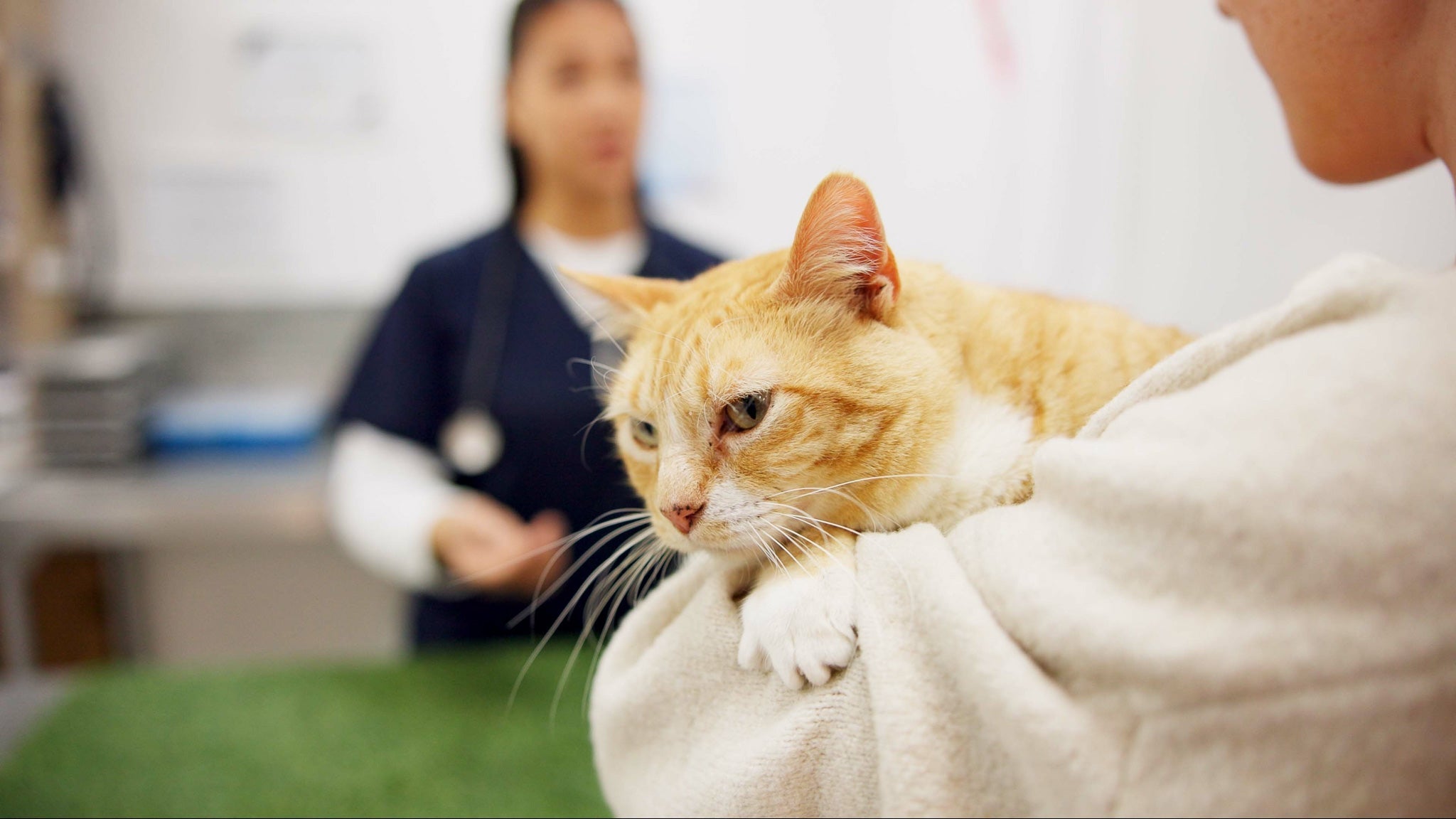
Feline lymphoma accounts for about 30% of feline malignant tumors, making it a highly prevalent tumor. Early symptoms vary, such as "not feeling well," "weight loss," or "a lump forming." Early detection and appropriate treatment are crucial for lymphoma. In this article, a veterinarian explains based on actual clinical experience.
What is Feline Lymphoma?

What is lymphoma?
Lymphoma is a malignant tumor in which lymphocytes, which are immune cells, become cancerous. Lymphocytes play a role in attacking bacteria and viruses that enter the body, and in producing antibodies to fight infections. Lymphocytes are produced in the bone marrow, and after maturing in the bone marrow and thymus, they move to areas called lymphoid tissues such as lymph nodes and the spleen, where they prepare for the invasion of pathogens. They also patrol the entire body, traveling between lymphoid tissues and the bloodstream.
Lymphoma is a malignant tumor in which lymphocytes themselves become cancerous, and cancerous lymphocytes proliferate in areas other than the bone marrow. Since lymphocytes are present throughout the body, not just in the blood, lymphoma is usually widespread throughout the body by the time it is discovered.
Lymphoma responds well to anticancer drugs, so chemotherapy is chosen as a treatment.
|
[Related Articles] |
Common Types of Lymphoma in Cats
Lymphoma is classified by the site of occurrence.
Mediastinal type, where the anterior mediastinal lymph nodes and thymus in the chest swell; gastrointestinal type, where tumors occur in the intestines or abdominal lymph nodes (mesenteric lymph nodes); multicentric type, where lymph nodes throughout the body swell; cutaneous type, where tumor cells appear on the skin surface; and extranodal type (central nervous system, kidneys, nose, eyes, etc.), which occurs in other sites.
The incidence of mediastinal type is 20-50%, and gastrointestinal type is 30-50%, almost the same, but these two types occur most frequently. Multicentric type accounts for about 10%, and extranodal type is even less common.
Age of onset and risk factors
Lymphoma occurs in relatively older cats, aged 10 years or more, but it can also occur at a younger age. Mediastinal type, in particular, is often seen in relatively young cats aged 3 to 5 years. It is known that mediastinal type is more likely to occur in cats with feline AIDS or feline leukemia. Especially, the risk of developing the disease is known to be high in cats infected with feline leukemia.
Although genetic factors have not been clarified, Siamese cats are considered a high-risk breed.
Main Symptoms of Feline Lymphoma

Loss of appetite and weight loss
In gastrointestinal lymphoma, which is common in cats, tumors occur in the intestinal tract and abdominal cavity, leading to loss of appetite and weight loss. In renal lymphoma, symptoms appear due to decreased kidney function.
Lumps, swelling, and difficulty breathing
In the multicentric type, where lymph nodes throughout the body swell, it is characterized by swelling of superficial lymph nodes, which are easily palpable from the skin (neck, chest, behind the knees). In the mediastinal type, the lymph nodes in the chest swell, leading to difficulty breathing. Nasal lymphoma also causes difficulty breathing because tumors occur within the nasal cavity. Nasal lymphoma causes the nose to swell and the face to become deformed.
Gastrointestinal symptoms such as diarrhea and vomiting
Vomiting and diarrhea are frequently observed in gastrointestinal lymphoma. Obstruction of the intestinal tract by the tumor or inflammation can cause vomiting and diarrhea. In mediastinal type, esophageal compression can also lead to regurgitation. In this case, undigested food is vomited immediately after eating.
These symptoms often appear in other diseases as well, and in the case of lymphoma, the disease can progress without any symptoms. In most cases, it is quite advanced, and it is rarely discovered in the early stages. Also, since symptoms often appear after the disease has progressed, regular health check-ups and early medical attention are important.
|
[Related Articles] |
Treatment and Prognosis

Chemotherapy
Lymphoma responds well to anticancer drugs, so chemotherapy is the first-line treatment. The main treatment is a multi-agent chemotherapy regimen that uses multiple types of anticancer drugs. Chemotherapy drugs are often injected intravenously, but depending on the cat's temperament, injections themselves can be difficult. In such cases, treatment with oral medications only or subcutaneous injections may be proposed.
Lymphoma is a difficult tumor to cure, and long-term survival is challenging for cats even with treatment. The survival period for chemotherapy is approximately 6-9 months.
Without treatment, it is usually a few weeks to 2 months.
Surgical and Radiation Therapy Options
Surgical intervention is not typically performed for feline lymphoma. However, it may be an option for cutaneous lymphoma. Also, while surgical removal may be performed for diagnostic purposes when a tumor forms in the intestinal tract in gastrointestinal lymphoma, it is rarely done for treatment purposes.
Radiation therapy, like surgery, is not a first-line treatment. It may be used for some types of lymphoma, such as nasal lymphoma or mediastinal lymphoma.
Since lymphoma is a tumor that responds well to chemotherapy, anticancer drugs are used in combination with surgery and radiation. Therefore, the prognosis for surgery or radiation therapy alone is unknown.
While a cure is difficult, palliative care can preserve quality of life (QOL).
Unfortunately, lymphoma is a tumor that is difficult to cure with current veterinary medicine. Therefore, palliative care is important. Palliative care is a treatment aimed at alleviating pain and discomfort, with the cat's QOL being the top priority. For example, antiemetics are used for nausea, and analgesics are used for pain. When uncomfortable symptoms disappear, appetite may increase and activity may increase. Although temporary, cats can also spend peaceful time.
In my opinion, many owners are hesitant about chemotherapy. One of the reasons is the cost. Typically, a single course of chemotherapy using an effective treatment protocol for lymphoma can cost hundreds of thousands of yen. Including tests, a single visit can cost nearly 50,000 yen.
When I explain the treatment and cost, I am often asked if there is a cheaper treatment option. In such cases, I suggest treatment with only oral steroid hormones, which are included in the treatment protocol. Steroid hormones are relatively inexpensive and also have anti-tumor effects, so they tend to be accepted. Furthermore, by adding them to symptomatic treatment, an improvement in QOL can be expected.
This is merely a suggestion in my own practice; it is necessary to discuss the actual treatment plan thoroughly with your primary veterinarian.
Feline Lymphoma and Dietary Management

Benefits of incorporating therapeutic diets
In most malignant tumors, not just lymphoma, there is a tendency for progressive weight loss. This is not only due to decreased appetite, diarrhea, and vomiting, but also because the tumor itself absorbs nutrients. Therefore, animals with malignant tumors enter a state called cachexia, where they progressively lose weight.
The diet for cancer patients differs from normal nutritional components. Tumors grow by exclusively using carbohydrates (glucose) as their nutrient source. Therefore, a "low-carb, high-protein" diet is desirable for cancer patients, and a diet containing essential fatty acids (EPA and DHA) would be beneficial. While there are no therapeutic diets specifically targeting tumors, there are therapeutic diets that are low-carb, high-protein, easily digestible, and designed to improve cachexia. Since cats with lymphoma tend to lose weight, the key is to use therapeutic diets effectively to prevent weight loss.
|
[Related Articles] |
Tips for when your cat loses its appetite (smell, temperature, feeding method)
Many cats with lymphoma experience a decrease in appetite. To prevent weight loss, it is necessary to devise ways to encourage them to eat even a little. Warming or moistening food intensifies its smell, which stimulates a cat's appetite. In cases of gastrointestinal lymphoma, intestinal obstruction can occur, causing vomiting if a large amount of food is consumed at once. Therefore, frequent small meals, dividing the day's food into several portions, is recommended.
If the cat is unable to eat at all, antiemetics or appetite stimulants may be used, or a feeding tube may be placed in the nose, esophagus, or stomach to administer liquid food.
|
[Related Articles] |
Precautions for multi-cat households (工夫 to manage separately from other cats)
During lymphoma treatment, chemotherapy drugs are used, so it is better to isolate and keep the cat to avoid exposing other cats to the drugs.
If you live with other cats, you must ensure that the treated cat can eat properly. Even if only during meal times, isolate the cat in a cage or similar space so that it can eat enough. Isolating the cat for meals also helps monitor its food intake.
Summary | Facing Feline Lymphoma

Lymphoma, one of the most common malignant tumors in cats, often progresses without symptoms, and it is not uncommon for it to be quite advanced by the time it is noticed. While it is more common in older cats, it can also occur from around 3 years of age. Therefore, it is advisable to perform regular health check-ups once your cat turns one year old. Also, lumps and weight loss can sometimes be discovered by routinely checking your cat's body. Check your cat while interacting with it.
Unfortunately, lymphoma is a difficult disease to cure. With appropriate treatment and diet management, a cat's QOL can be maintained, allowing them to spend peaceful, symptom-free time. Since it is an incurable disease, owners may feel unstable, but by supporting their cat with love until the end, the cat can also feel at ease.
|
[Related Articles] |

![Feline Infectious Peritonitis (FIP) Treatment Guide [2024 Edition]: Latest Information and Treatment Options](http://www.poponeko.jp/cdn/shop/articles/shutterstock_1633580878.jpg?height=400&v=1727181737)


![[Set] Leaf Ribbon & Cat Collar - Champ de Fleurs, Raspberry](http://www.poponeko.jp/cdn/shop/files/DSC00099_6b51f9b4-93c7-4c58-b439-108715aa361f.jpg?v=1780663183&width=600 "[Set] Leaf Ribbon & Cat Collar - Champ de Fleurs, Raspberry")
![[Set] Leaf Ribbon moda Star Spangled & Cat Collar Denim Navy](http://www.poponeko.jp/cdn/shop/files/260618_00160.jpg?v=1784451813&width=600 "[Set] Leaf Ribbon moda Star Spangled & Cat Collar Denim Navy")
![[Slightly Imperfect] Cat-Friendly Skin Protection Suit (Coverall) for Cats](http://www.poponeko.jp/cdn/shop/files/DSC05845.jpg?v=1769403729&width=600 "[Slightly Imperfect] Cat-Friendly Skin Protection Suit (Coverall) for Cats")
![[Set] Leaf Ribbon & Cat Collar TARTAN CHECK DRESS RED](http://www.poponeko.jp/cdn/shop/files/2606_00016.jpg?v=1785759845&width=600 "[Set] Leaf Ribbon & Cat Collar TARTAN CHECK DRESS RED")
![[Set Product] Leaf Ribbon & Cat Collar - Champs de Fleurs Light Green](http://www.poponeko.jp/cdn/shop/files/DSC00102_e084695b-e8f0-442d-89e1-43de838500c2.jpg?v=1780663183&width=600 "[Set Product] Leaf Ribbon & Cat Collar - Champs de Fleurs Light Green")
![[Set] Leaf Ribbon & Scrunchie Cat Collar, Gingham Check, Yellow](http://www.poponeko.jp/cdn/shop/files/DSC00094_3cfceafb-3dec-4966-8fb0-98d2b6a0f857.jpg?v=1780663891&width=600 "[Set] Leaf Ribbon & Scrunchie Cat Collar, Gingham Check, Yellow")

Leave a comment