

Cats are very clean creatures. They lick all over their soft bodies. If they can't reach a spot, they use their hind legs to scratch.
Just watching them can make you feel happy.
However, be careful if your cat is frequently scratching their body. There might be some kind of skin abnormality.
This article explains in detail the causes of cats scratching their bodies, as well as effective treatments and preventive measures.
Reasons Why Cats Scratch Their Bodies
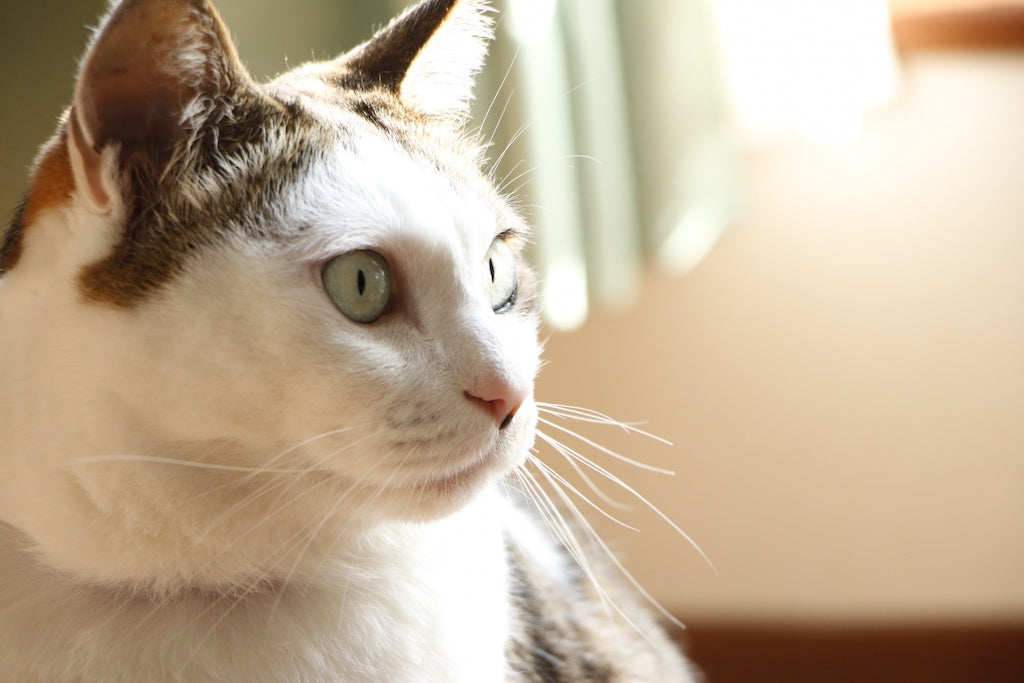
When your cat is frequently scratching their body with their paw, it's a sign that they are "itchy."
While cats may use their paws to scratch areas their tongue can't reach during grooming, if they are concerned about the back of their neck or ears, it's highly likely they are experiencing discomfort with their skin.
Be careful if the frequency of scratching suddenly increases or if they are scratching continuously. Cats tend to persistently scratch itchy areas, sometimes to the point of bleeding.
Also, if they are excessively licking their body, they might be experiencing skin itchiness.
A cat's tongue has many small spines called filiform papillae, which they use like a brush to groom themselves cleanly. This is why it can be a bit painful when a cat licks your hand.
They will continuously lick their body with their rough tongue to soothe the itch. Similar to scratching with their hind legs, they can lick themselves to the point of bleeding.
|
【Related Articles】 |
Causes of Body Itchiness
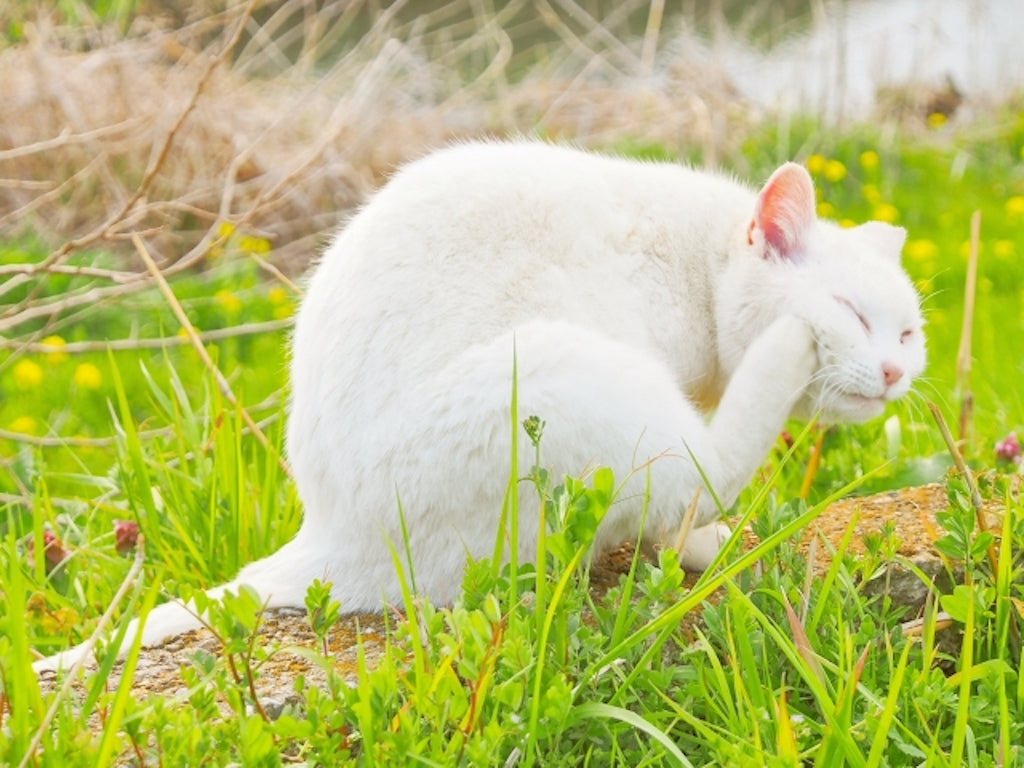
There are several reasons why your cat's body might be itchy. Let's learn about cat skin problems so you can deal with them quickly.
Flea and Mite Infestation
When fleas bite a cat and their saliva enters the body, it can trigger an allergic reaction.
Additionally, "scabies," caused by sarcoptic mites, can lead to severe itching and dermatitis on the ears and head. When "ear mites" infest, the ears become intensely itchy, and a large amount of dark earwax accumulates inside the ears.
Allergies
Some cats may develop dermatitis and severe itching due to allergies to food or pollen. Symptoms often appear around the face and abdomen, so pay attention if your cat scratches their neck or licks their abdomen.
Cats can also suffer from "atopic dermatitis." This causes itching on the face, paws, inner thighs, armpits, and lower abdomen, which can lead to widespread hair loss.
Bacteria and Fungi
Bacteria or fungi on a cat's skin can proliferate, leading to itching, as well as dandruff and hair loss. Among these, the fungus that causes "dermatophytosis" can also infect humans, so caution is necessary.
Otitis externa/media
"Otitis externa" is an inflammation of the external ear canal, from the ear opening to the eardrum, causing intense itching and pain. It can be caused by allergies, ear mites, bacteria, or fungi, and if left untreated, it can lead to "otitis media."
Dryness
When the air is dry, due to air conditioning or other factors, a cat's skin can also become dry. This can cause not only itchiness but also dandruff. In winter, it's important to use a humidifier and consider increasing the number of water bowls to prevent dehydration.
Collar that doesn't fit
If a cat's collar is too heavy or too stiff, the fur around the neck can rub off and cause inflammation. Additionally, if the cat is allergic to the collar's material or if the collar is unsanitary, it can also cause itching.
It's safer to choose a light and soft cat collar and replace it regularly.
|
【Related Articles】 |
Watch Out for Psychogenic Stress
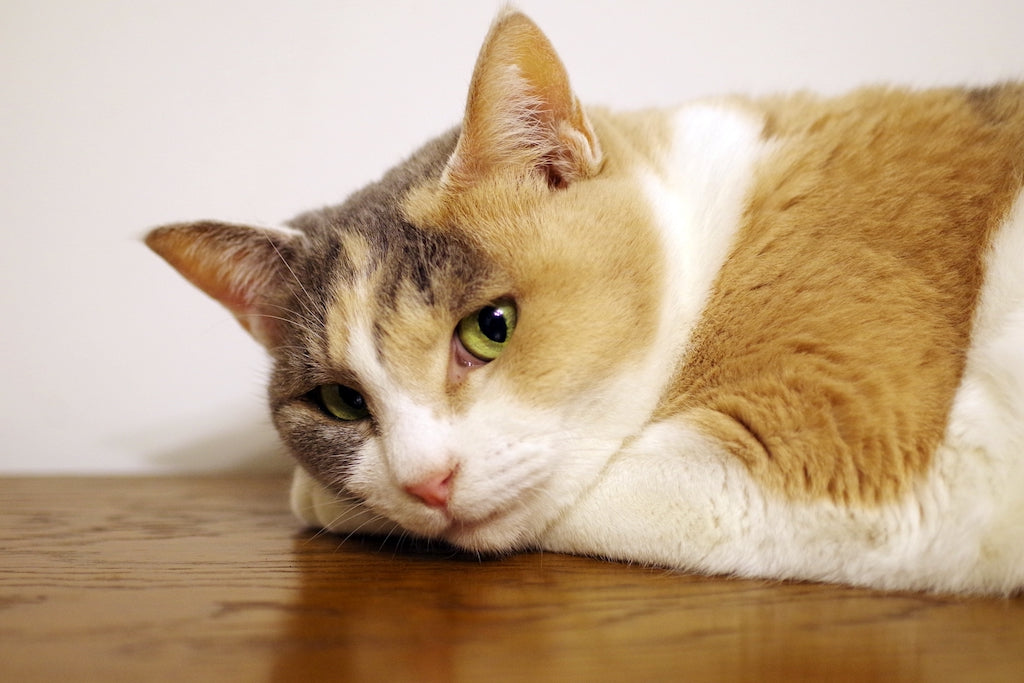
Psychogenic stress can lead to "excessive grooming."
"Excessive grooming" is also known as "lick granuloma" or "lick dermatitis," which means licking continuously to the point of hair loss and causing skin inflammation.
When cats experience stress due to changes in their living environment, such as moving house or welcoming a new cat, they may continuously lick the same spot to alleviate their anxiety.
Unless the source of stress is removed, excessive grooming cannot be stopped, and it can even lead to bleeding and festering. Scabs can become itchy, leading to further scratching and worsening the condition.
It is crucial to not only provide appropriate treatment but also remove the source of stress. It is also important to create an environment where cats can relieve stress, such as by adding more scratching posts or ensuring they can see outside windows.
How to Deal with an Itchy Cat
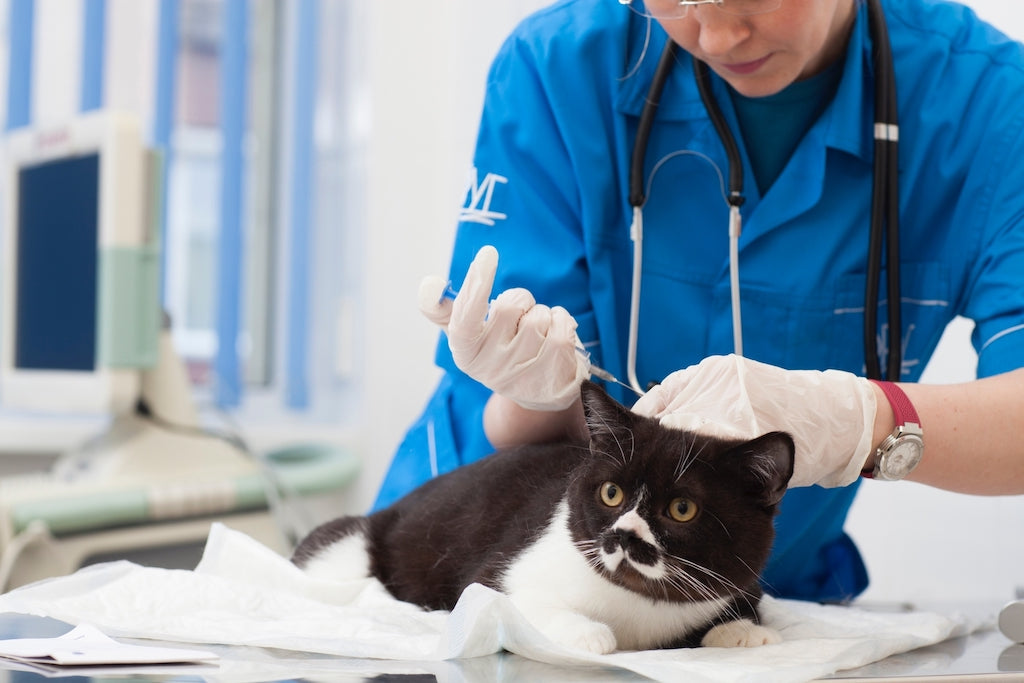
If your cat's skin problems are left untreated, they can worsen and lead to more severe scratching. Additionally, some skin problems can be contagious to other cats and even owners, so caution is necessary.
If you notice any abnormalities, such as your cat frequently scratching their body, you should take them to the vet.
Providing detailed information, such as when the scratching started and under what circumstances, will help with the diagnosis. In addition to the itching, check for other symptoms like hair loss, dirty ears, scabs, or rashes.
If the itching is caused by allergies, blood tests are performed, and the main treatment involves avoiding contact with the causative substances. In cases of severe itching and inflammation, anti-allergy medications or steroids may be used.
How to prevent itchiness?
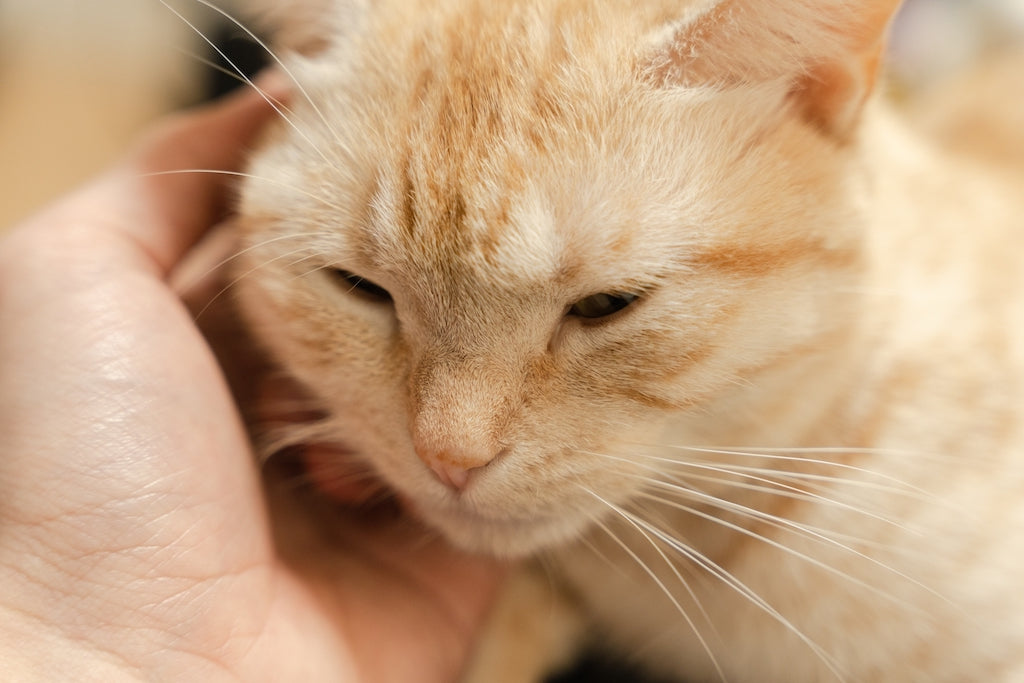
Itching caused by fleas and mites can be prevented by using a flea and mite preventive that is applied to the back of the neck. It is recommended to visit the vet once a year and always implement flea and mite control, even for indoor cats.
Fleas and mites are often transmitted from other cats, so in addition to flea and mite prevention, it is recommended to maintain a strictly indoor environment for your cat.
Additionally, some cats may have allergies to dust or pollen. Regardless of whether your cat has allergies, it's important to keep your home clean and regularly wash your cat's bed and blankets.
Early detection and early treatment are crucial for skin problems. If you notice any skin issues during brushing or petting, you might be able to address them before your cat starts scratching excessively.
Make sure to use communication time with your cat for health management as well.
Cat Scratching Countermeasures
You don't want your cat to scratch itchy areas, but you know they can't help it. We understand how that feels.
During treatment for skin problems, an Elizabethan collar may be used to prevent the cat from scratching the affected area or licking off topical medication.
However, for cats, the Elizabethan collar is an obstruction. Many cats dislike it greatly. They can't eat or drink properly, they bump into things, and they can't sleep comfortably. It can even cause stress for the cat.
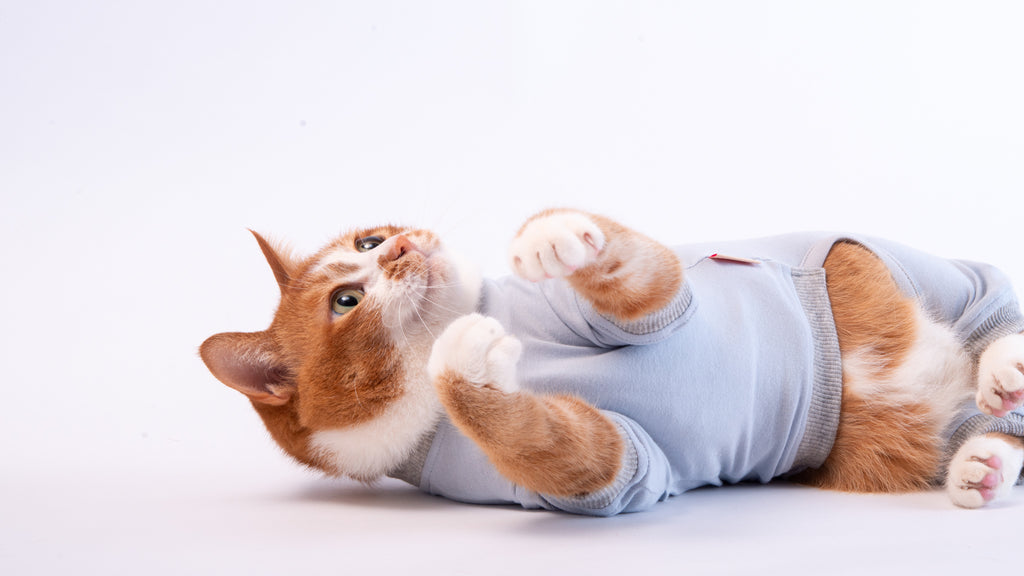
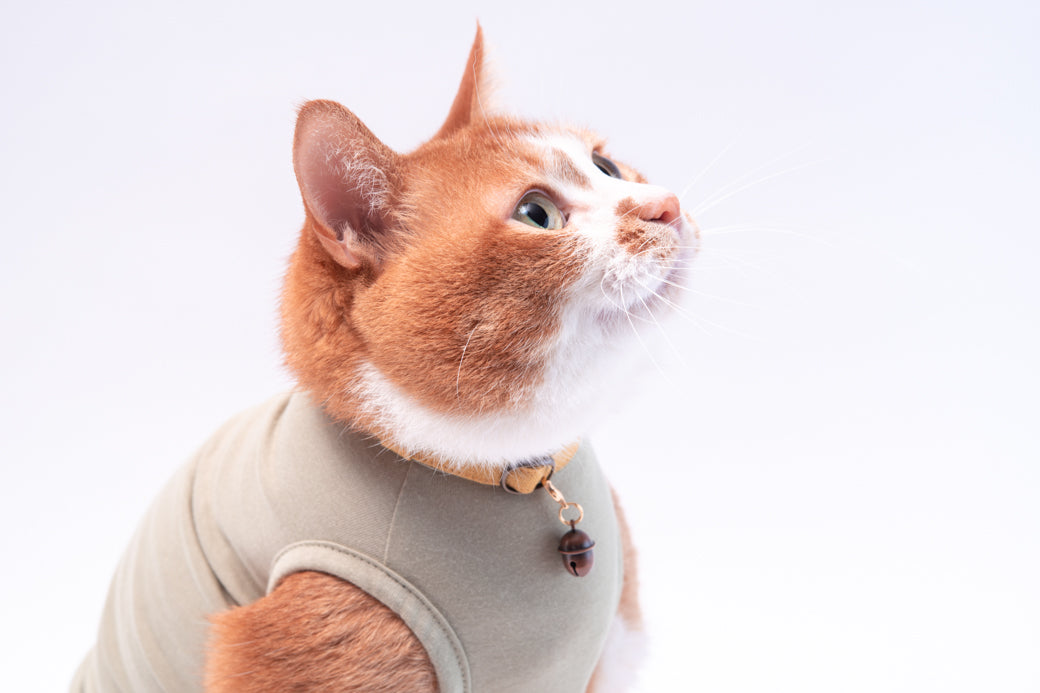
In such cases, we recommend "protective clothing."
We put our heart into creating Poponeko's protective clothing, prioritizing lightness and gentleness for cats struggling with itchiness.
Not only does its elasticity not hinder your cat's movements, but it also features advanced temperature regulation, ensuring they stay comfortable without getting stuffy. It's also recommended when skin dryness is a concern.
If your cat dislikes the Elizabethan collar, protective clothing can be helpful.
|
【Related Products】 |
|
【Related Articles】 |
Summary
It's often difficult to notice skin abnormalities in cats because their skin is covered with fur.
While it's common to see cats scratching their ears or neck with their hind legs, if the frequency of scratching increases or they scratch frantically, it's likely they are experiencing skin "itchiness."
The causes of itching vary and can include fleas, mites, allergies, bacteria, fungi, otitis externa, otitis media, and dryness. An ill-fitting cat collar can also be a factor.
If you notice your cat scratching its body, it's important to tell your veterinarian when the scratching started and under what circumstances to receive appropriate treatment.
Most importantly, early detection and early treatment are key. By enjoying skinship and brushing, and observing their skin a little, you might be able to address skin problems before they scratch excessively.
A little care can help prevent excessive scratching.


![Feline Infectious Peritonitis (FIP) Treatment Guide [2024 Edition]: Latest Information and Treatment Options](http://www.poponeko.jp/cdn/shop/articles/shutterstock_1633580878.jpg?height=400&v=1727181737)


![[Set] Leaf Ribbon - Moda Old World Yuletide & Cat Collar - MUJI Cotton Plain Autumn Sky](http://www.poponeko.jp/cdn/shop/files/260618_00174.jpg?v=1784451812&width=600 "[Set] Leaf Ribbon - Moda Old World Yuletide & Cat Collar - MUJI Cotton Plain Autumn Sky")
![[Set] Leaf Ribbon & Scrunchie Cat Collar - Petit Fleur - Purple](http://www.poponeko.jp/cdn/shop/files/2608_00419.jpg?v=1789946167&width=600 "[Set] Leaf Ribbon & Scrunchie Cat Collar - Petit Fleur - Purple")
![[Set] Leaf Ribbon & Scrunchie Cat Collar, Tartan Check, Royal Red](http://www.poponeko.jp/cdn/shop/files/2606_00006.jpg?v=1785759845&width=600 "[Set] Leaf Ribbon & Scrunchie Cat Collar, Tartan Check, Royal Red")
![[Set] Leaf Ribbon & Scrunchie Cat Collar: Sunny Mimosa](http://www.poponeko.jp/cdn/shop/files/2608_00412_15b3d5d4-db6f-4704-a2bc-cfcf4a47d898.jpg?v=1790033858&width=600 "[Set] Leaf Ribbon & Scrunchie Cat Collar: Sunny Mimosa")
![[Set] Leaf Ribbon & Cat Collar - Hannari Sakura Blue](http://www.poponeko.jp/cdn/shop/files/2608_00126.jpg?v=1789197917&width=600 "[Set] Leaf Ribbon & Cat Collar - Hannari Sakura Blue")
![[Set] Leaf Ribbon "Fleurage" Pink & Scrunchie Cat Collar "Belgian Linen" Pink Beige](http://www.poponeko.jp/cdn/shop/files/2608_00133.jpg?v=1789197487&width=600 "[Set] Leaf Ribbon \"Fleurage\" Pink & Scrunchie Cat Collar \"Belgian Linen\" Pink Beige")

Leave a comment