
Hello, this is Kuriyama from Poponeko. More and more cat owners are preparing cat harnesses as disaster preparedness items for their cats.
Before Poponeko was founded, I used to wonder, "A harness for a cat that doesn't need walks?" But the more I imagine life in an evacuation shelter, the more convinced I am that a cat harness is an essential item.
Even after the Great East Japan Earthquake, major disasters continued, and I hear that life in evacuation shelters with cats was full of hardships.
What are the problems with evacuating with cats, and how should we deal with them? In the second installment of this series, I would like to consider how to protect your cat's life, focusing on "Evacuating with Pets and How to Spend Time in an Evacuation Shelter."
|
[Related Articles] |
"Accompanying Evacuation" and "Co-sheltering" are Different
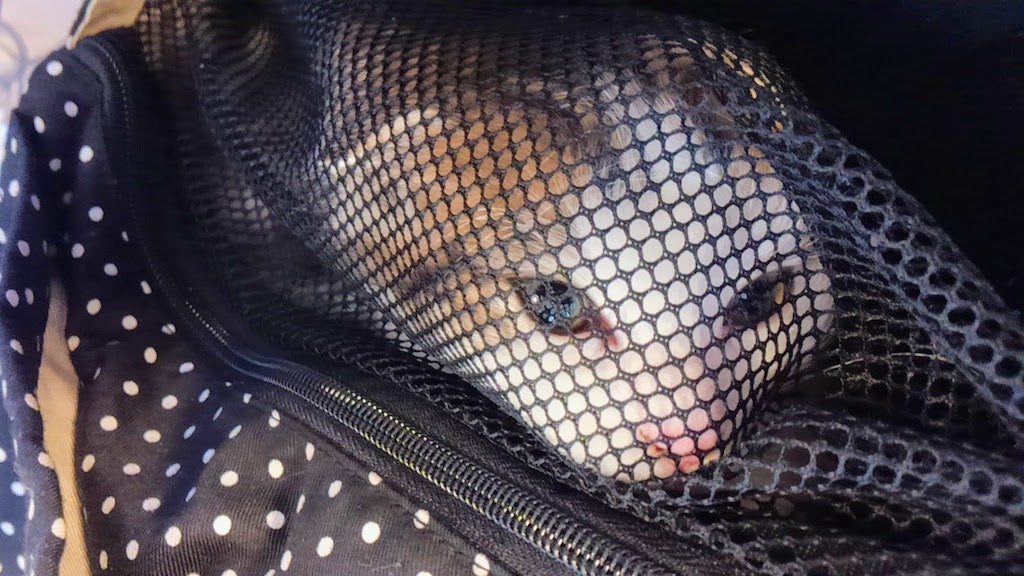
When an earthquake strikes and evacuation becomes necessary, many pet owners may wonder, "Can I bring my cat to the evacuation shelter?"
Even during the Great East Japan Earthquake, there were cases where people delayed evacuation or remained in dangerous homes due to concerns about their pets. There were also reports of people returning home to rescue their pets and being caught in tsunamis.
To prevent such situations, the Ministry of the Environment recommends "accompanying evacuation," which means evacuating with your pets.
However, this only recommends "evacuating with your cat," it does not mean that your cat can enter the evacuation shelter with you.
Living in an evacuation shelter in the same room as your pet is called "co-sheltering," but the reality is that there are still very few evacuation shelters that allow co-sheltering. There were many cases where there were no rules regarding pet evacuation, leading to delays in response.
There have been instances where people went to an evacuation shelter expecting co-sheltering, only to be told to keep their pets outside or in their cars, leading to problems.
While "accompanying evacuation" is recommended, "co-sheltering" is not possible. This seems to be causing confusion at evacuation shelters.
How Pets are Handled Varies by Evacuation Shelter
The way cats are handled at evacuation shelters can be categorized into four patterns: "indoor cohabitation," "indoor cohabitation with pet owners and non-pet owners separated," "indoor separation," and "outdoor keeping."
In past disasters, "indoor separation" and "outdoor keeping" were common, but it seems that the establishment of evacuation shelters allowing "indoor cohabitation" is also progressing.
|
[Related News (External Site)] |
We need to stay vigilant and gather information on a regular basis.
Accompanying Evacuation with Pets is Prone to Problems
For pet owners, "co-sheltering" is more reassuring.
However, there are people with animal allergies and those who are uncomfortable with animals in evacuation shelters. There have been instances of conflicts with other evacuees due to odors, barking, or meowing.
|
[Related News (External Sites)] |
Also, in the Great East Japan Earthquake and the Kumamoto Earthquake, the lack of mutual aid organizations or self-governing bodies among pet owners was identified as an issue.
For about three days after a disaster, it's about "self-help." You have to protect your own life and your cat's life on your own. After that, pet owners help each other and live through "mutual aid."
Since there may not be staff dedicated to pets at evacuation shelters, a cooperative system among pet owners is required. Troubles should be greatly reduced by helping each other.
Things to Be Aware of in Evacuation Shelter Life
According to a Cabinet Office survey conducted after the Kumamoto Earthquake, 35.5% of people felt that pets should not be allowed in evacuation shelters.
The reasons cited were "concerned about odors (79.9%)" and "concerned about barking or noises (77.6%)."

Quote: Cabinet Office, "FY2016 Report on Examples of Support for Disaster Victims in Evacuation Shelters"
Odors can be improved by the pet owner's diligence. As for meowing, it can be resolved by preparing in advance, such as getting the cat used to a cage so it doesn't get agitated, and having it spayed or neutered to prevent it from going into heat.
Based on past examples, I've compiled a list of things to be aware of when living in an evacuation shelter.
Follow the rules
Since cats and many evacuees will be sharing the same indoor space, measures against odors, meowing, and shedding are essential.
The sources of odor are excrement and cat food. Both can be managed by cleaning them up immediately.
If your cat cries out of anxiety, cover its cage or carrier with a towel to calm it down. Covering it with cardboard is also recommended.
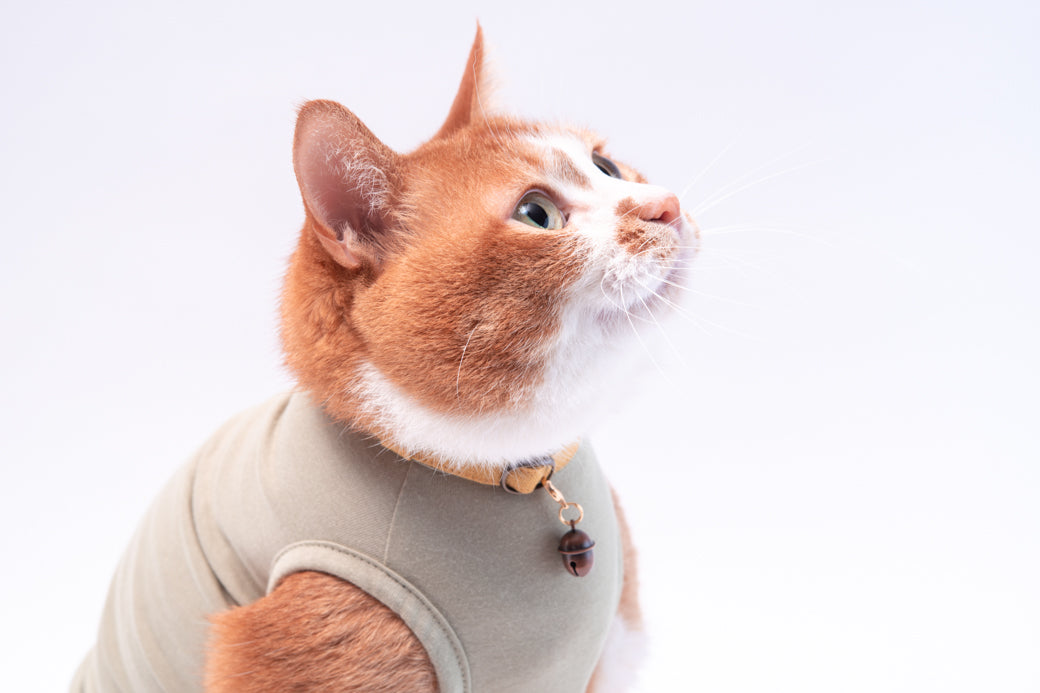
Also, regular brushing of your cat can prevent shedding. When brushing, go outside and consider the wind direction. If your cat doesn't mind, putting clothes on it can also help.
Create rules among pet owners
In many evacuation shelters, pets are grouped together in a dedicated pet space, either indoors or outdoors, and owners go there to care for them.
When living communally, "mutual aid" among pet owners is essential. As a mutual aid association or self-governing body, pet owners should actively discuss and create rules among themselves.
Having rules such as rotating pet space cleaning, patrolling to prevent unauthorized entry, setting designated interaction times, avoiding contact between pets, and maintaining good manners will likely reduce problems.
Creating a space for your cat is also important.
You will need to provide your own cage. A stackable hard cage is preferable, but a pop-up soft cage is also acceptable.
Place a litter box and water inside the cage, and also include a blanket with your cat's scent.
When taking your cat out of the cage or carrier, don't forget to attach a harness and leash to prevent escape. It's also reassuring to always have an ID tag and a cat collar on.
There are Options Other Than Evacuation Shelters
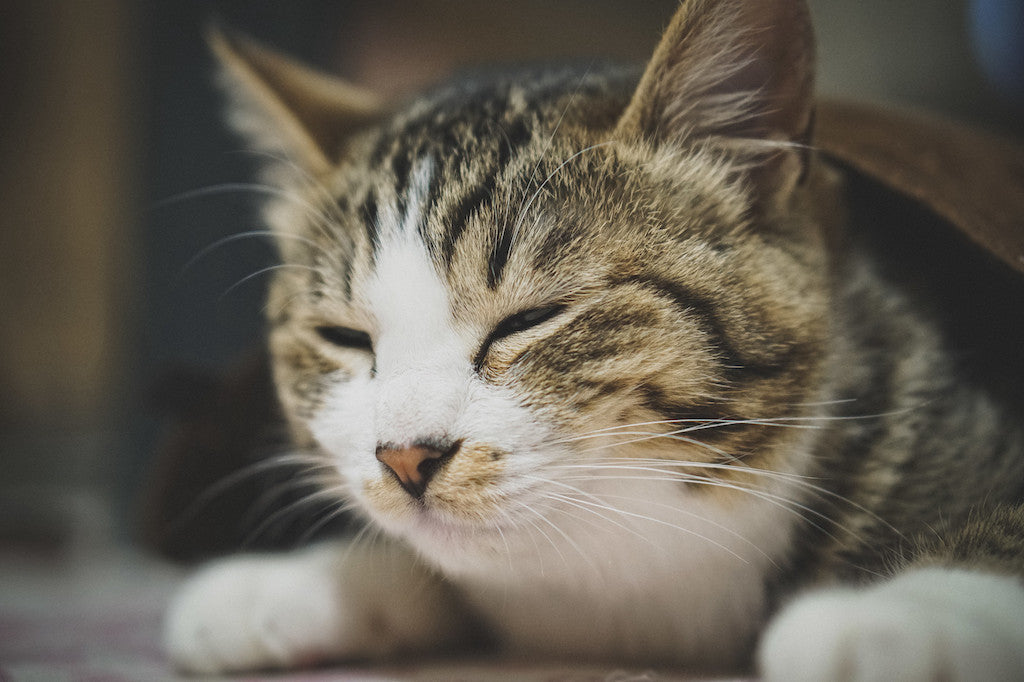
What should you do if a nearby evacuation shelter does not accept pets?
Absolutely do not abandon your cat. To survive together with your cat, remember that there are options other than evacuation shelters.
According to the Ministry of the Environment's "Guidelines for Disaster Preparedness for People and Pets," if an evacuation shelter does not accept pets, four options are presented:
- Pets at home, people at an evacuation shelter
- Living in a car or tent
- Entrusting to acquaintances or facilities
- Going to an evacuation shelter that accepts pets
[Flowchart for accompanying evacuation]
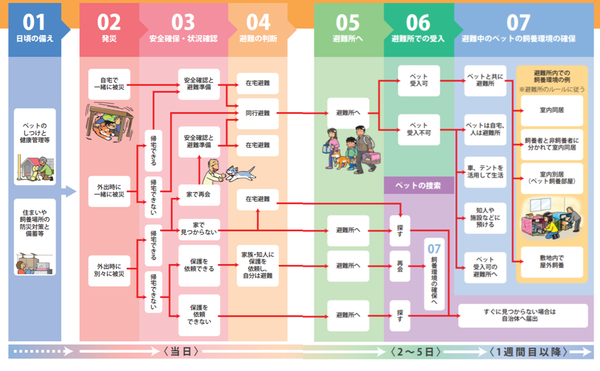
Quote: Ministry of the Environment, "Guidelines for Disaster Preparedness for People and Pets"
Pets at home, people at an evacuation shelter
If your home is not damaged and there is little concern about aftershocks, tsunamis, or secondary fire damage, you can have your cat "shelter in place" alone.
For older cats, cats with chronic illnesses, or nervous cats, their familiar home environment might be more reassuring than an evacuation shelter.
Create a cat room on the second floor or higher and visit from the evacuation shelter to care for your cat. Stock up on cat food and water as a precaution. Be sure to take full measures against heatstroke, cold, and escape.
Also, if prescription food is needed, stock up on it in advance. It's reassuring to consult your veterinarian and have them prescribe extra medication to always keep in stock. Make sure to note prescriptions in your cat's health record book or on your smartphone.
Using cars and tents for shelter
If your home has collapsed, you can temporarily ride it out by sleeping in your car.
Although it may be less stressful than an evacuation shelter, be careful of oxygen deprivation, heatstroke, and economy class syndrome. Also, measures to prevent escape are essential even when sleeping in your car. Create a space for your cat in a carrier or cage, and keep a harness and leash on.
Also, there's the option of camping in a tent. If you're careful about heatstroke and your cat escaping, just like with car camping, you might be able to spend time surprisingly comfortably.
Entrusting to acquaintances or facilities
Evacuating cats only is also an option.
It's reassuring if a trusted person can look after your cat. It's helpful to keep a record of your cat's care instructions and health status compiled in advance.
When the situation calms down, "temporary foster services" by government agencies or animal welfare organizations may become available. "Vaccinations," "flea and tick prevention," and "spaying/neutering" are often conditions for fostering, so preparation in advance is essential.
To an evacuation shelter that accepts pets
While it may be difficult amidst the chaos, moving to an evacuation shelter that accepts pets is one option. Gather information from cat friends and social media, and if it seems safe to go, make the move.
Cat Harnesses are Useful in Evacuation Life
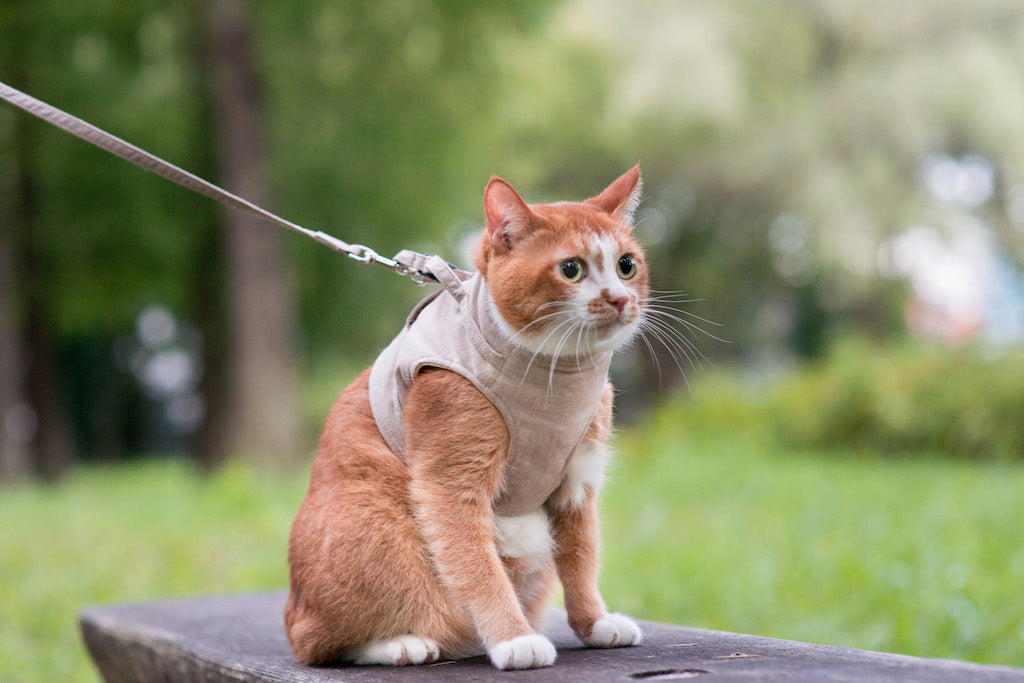
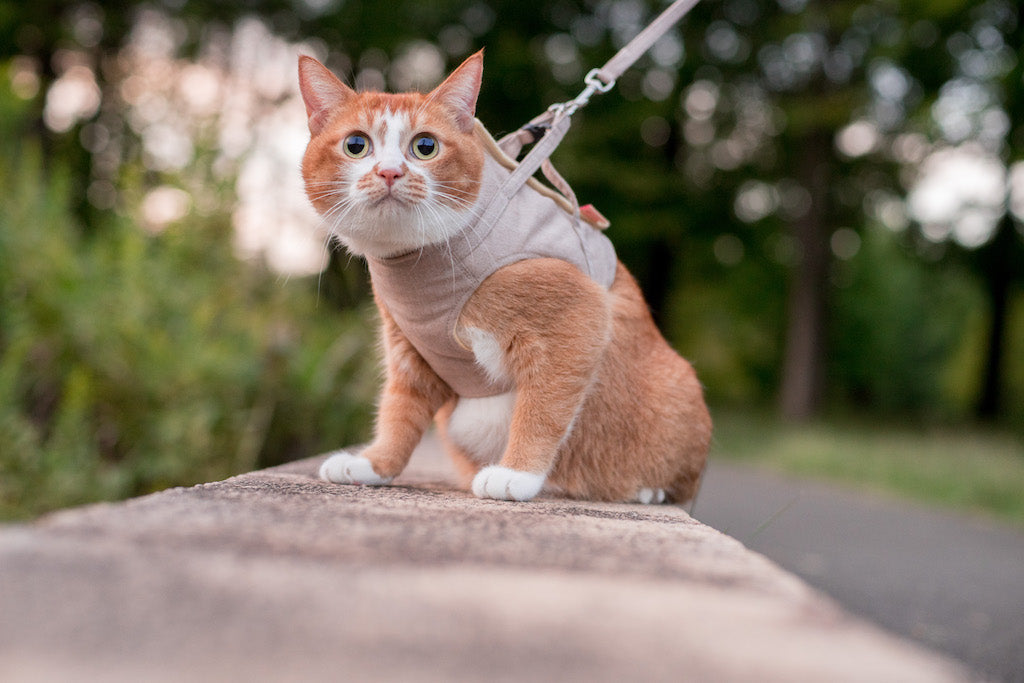
A cat harness is less for walking your cat and more for preventing it from escaping. The risk of escape is very high during unfamiliar evacuation shelter life.
When moving from home to an evacuation shelter, when opening the cage to care for your cat, or when exercising your cat outside the cage, always attach a harness and leash.
If you're going to live in an evacuation shelter with your cat, a cat harness is an essential item.
A survey of 1,800 cat owners revealed that more than half of them purchased a cat harness as a "disaster preparedness item."
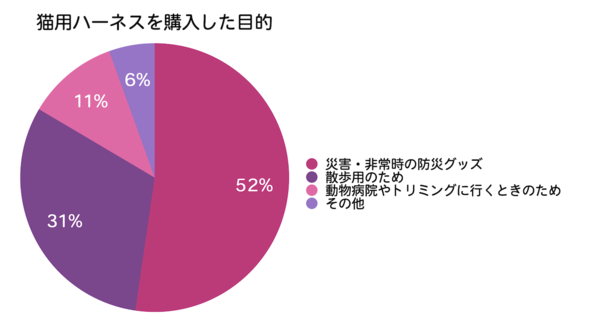
*Internet survey targeting 1,800 cat owners (conducted by Poponeko in January 2020)
To ensure a stress-free evacuation shelter life, it's important to get your cat accustomed to the harness beforehand and choose a harness that is comfortable for your cat and difficult to slip out of.
|
[Related products] |
|
[Related Articles] |
Summary
Although accompanying evacuation with cats is recommended, "co-sheltering" in the same room as cats is still rare.
In most cases, pets are placed outdoors or in a designated pet area indoors. Since you will be living communally with many pets, pet owners are naturally expected to follow manners and practice mutual aid.
Vaccinations, flea and tick control, spaying/neutering, and getting your cat accustomed to cages and harnesses are all essential preparations.
Also, expanding your circle of cat friends is a form of disaster preparedness. Local cat friends, veterinary clinics, pet hotels, grooming salons, and community cat volunteer groups can be invaluable resources in an emergency.
Let's start doing what we can to protect cats' lives, right now.
|
[Related Articles] |

![Poponeko Selected as Furusato Nozei Gift [Toride City, Ibaraki Prefecture]](http://www.poponeko.jp/cdn/shop/articles/010f7540ce751ae3bb42785d6423e019.jpg?height=400&v=1765802143)

![[Written by a Veterinarian] How to Work in an Animal Hospital: Essential Qualifications, Job Responsibilities, and Traits of Suitable Candidates](http://www.poponeko.jp/cdn/shop/articles/shutterstock_2399480085.jpg?height=400&v=1755261095)
![[Set] Leaf Ribbon & Scrunchie Cat Collar, Gingham Check, Blue](http://www.poponeko.jp/cdn/shop/files/DSC00092_346b4b0c-da46-4b7b-b5e9-8ab3dafb6534.jpg?v=1780663891&width=600 "[Set] Leaf Ribbon & Scrunchie Cat Collar, Gingham Check, Blue")
![[Set] Leaf Ribbon Fleurage Blue & Cat Collar Belgian Linen Mustard](http://www.poponeko.jp/cdn/shop/files/2608_00121.jpg?v=1789197487&width=600 "[Set] Leaf Ribbon Fleurage Blue & Cat Collar Belgian Linen Mustard")
![[Set] Leaf Ribbon & Scrunchie Cat Collar, Arabesque Swirl, Red](http://www.poponeko.jp/cdn/shop/files/2608_00130.jpg?v=1789044775&width=600 "[Set] Leaf Ribbon & Scrunchie Cat Collar, Arabesque Swirl, Red")
![[Set] Leaf Ribbon & Scrunchie Cat Collar, Elegant Cherry Blossom, Red](http://www.poponeko.jp/cdn/shop/files/2608_00137.jpg?v=1789197917&width=600 "[Set] Leaf Ribbon & Scrunchie Cat Collar, Elegant Cherry Blossom, Red")
![[Set] Leaf Ribbon & Scrunchie Cat Collar, Petit Fleur, Pastel Pink [Limited Color]](http://www.poponeko.jp/cdn/shop/files/2608_00420.jpg?v=1789946167&width=600 "[Set] Leaf Ribbon & Scrunchie Cat Collar, Petit Fleur, Pastel Pink [Limited Color]")
![[Defective] Cat-friendly Cat Wear, Cat Warm, Border (Sleeveless)](http://www.poponeko.jp/cdn/shop/products/DSC_6996.jpg?v=1675832276&width=600 "[Defective] Cat-friendly Cat Wear, Cat Warm, Border (Sleeveless)")
Leave a comment