

Abstract
In cats, "collar alopecia" refers to localized hair loss or dermatitis at the site where a collar is worn. While mild cases are merely a cosmetic issue, chronic cases can lead to skin diseases and behavioral stress. This article examines the causes, risk factors, clinical impacts, and preventive measures of collar alopecia, providing perspectives on husbandry management and product development.
1. Introduction

In recent years, keeping cats strictly indoors has become recommended, and the use of collars has become commonplace for the purposes of preventing the loss of the cat and individual identification. However, reports of skin issues associated with wearing collars are appearing. "Collar alopecia" is a typical example, and consultations regarding this are not uncommon in clinical settings. This article aims to clarify the factors causing collar alopecia and how to prevent it, thereby contributing to the improvement of feline welfare.
2. Background

In dermatology, collar alopecia is classified as mechanical alopecia (traction alopecia). It can present a pathology similar to traction alopecia of the scalp in humans, involving friction, pressure, and material properties. It is particularly noticeable in short-haired breeds or cats with fine coats.
Furthermore, as owner demand for "safety" increases (e.g., attaching ID tags, bells, GPS trackers, and activity trackers), the load placed on collars also tends to increase.
3. Causes

The causes of collar alopecia are multifactorial. The main factors are as follows:
-
Physical Factors
-
Collar stiffness, weight, and width (too hard, heavy, or wide)
-
Excessive friction or constriction pressure
-
Mismatched size
-
Material Factors
-
Irritant dermatitis from synthetic fibers
-
Contact dermatitis from metal parts (e.g., nickel allergy)
-
Biological Factors
-
Coat density and skin sensitivity (short-haired breeds, elderly cats, etc.)
-
Allergic constitution or history of skin disease
-
Management Factors
-
Accumulation of dirt and moisture
-
Neglecting proper size adjustments
4. Impact

While collar alopecia itself is not a fatal disease, it has the following secondary impacts:
-
Worsening of dermatitis: Bacterial infection is likely to occur due to scratching caused by pruritus.
-
Stress response: Discomfort can lead to over-grooming and behavioral changes.
-
Risk of abandonment: Potential for decreased owner attachment due to visible issues.
5. Prevention and Countermeasures

To prevent collar alopecia, both product selection and husbandry management are important.
-
Product Perspective
-
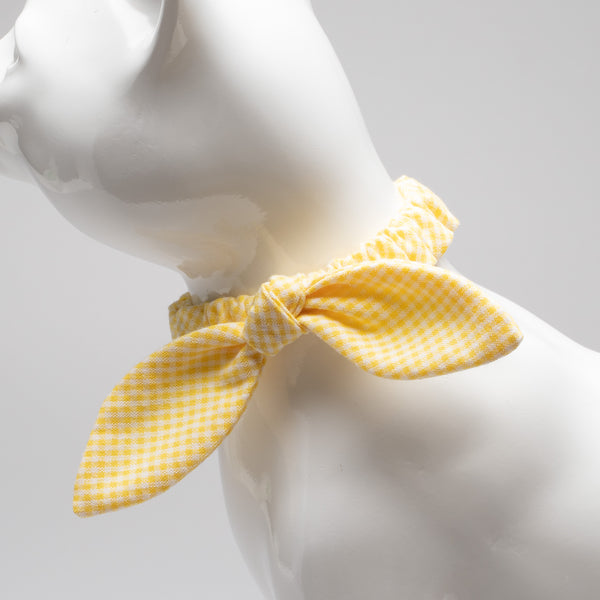
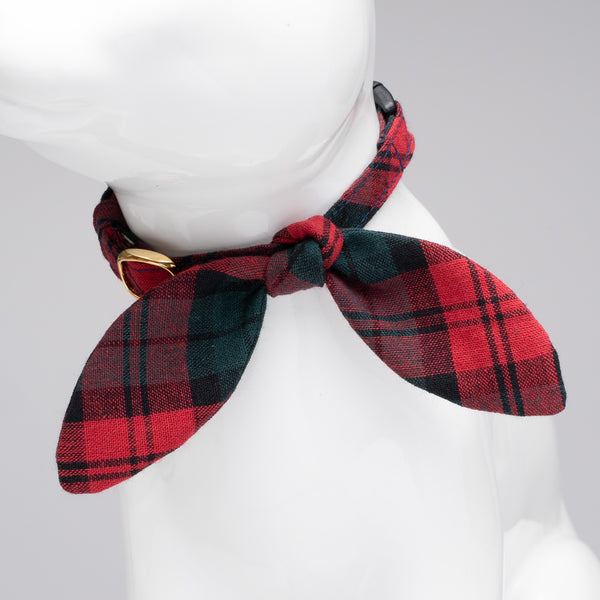
Use of lightweight and soft materials (e.g., cotton, linen, silk)
-
Pressure distribution via wider designs
-
Skin-friendly stitching and tagless processing
-
Management Perspective
-
Regular size checks (enough space to fit two fingers)
-
Introduction of "collar-off time" for a few hours a day
-
Regular cleaning and replacement
-
Early detection of signs of hair loss (weekly neck area check)
6. Discussion

Collar alopecia is often overlooked but is a challenge directly linked to feline welfare. Collar manufacturers are required to design products that balance "safety + skin health." Furthermore, educating owners (on correct fitting, material selection, and regular checks) is essential.
7. Conclusion

Collar alopecia in cats is a preventable problem arising from multifactorial elements. With product improvements and the spread of proper usage, the incidence can be significantly reduced. In the future, the collection of clinical data and the development of evidence-based guidelines are desired.
|
[Related Articles] |






Leave a comment