

"I want to put a collar on my cat, but I'm worried it might cause them stress." Are you thinking that?
A collar is an essential item in the event of an accidental escape or if your cat gets lost. However, it's natural to worry whether wearing one is causing your cat stress.
In this article, we will share tips on choosing a collar for your cat and how to minimize their stress.
Are collars stressful for cats?

To put it simply, it is not the case that a collar causes zero stress for a cat.
Cats are very clean animals and have extremely sensitive, sensor-like bodies, so they dislike having foreign objects attached to them. Depending on the cat's personality, they may feelstressed by collars or clothes.
Discomfort and pressure
If the collar material or size is incorrect, your cat will feel discomfort or pressure. Furthermore, if the collar causesitching or pain, they won't be able to relax and will feel stressed.
Difficulty moving
If a collar is heavy, it can feel like a hindrance to movement. Being unable to climb high places or groom themselves as usual can become a source of stress.
Mental stress
While they are getting used to it, a cat may constantly be conscious of the collar, making its very presence a source of mental stress. Also, because cats have excellent hearing, the sound of a collar bell can be a source of stress for some.
|
[Related Articles Here] |
Things you can do to reduce collar-related stress

Acting out or trying to remove the collar is a sign of stress. Sometimes, stress can also manifest asskin or gastrointestinal issues.
Even though a collar is meant to protect your cat, it shouldn't become a source of stress for them. There are many things you as an owner can do to reduce this stress.
1. Choose a low-stress collar
When putting a collar on your cat, always choose one designed specifically for cats. Hard, heavy, or poorly breathable materials can cause stress. We recommend choosing something as simple as possible with no unnecessary decorations.
2. Get them used to it gradually
Forcing a collar on your cat can cause trauma. It is important to let them get used to it gradually, for example, by putting it on for just a short time at first and gradually increasing the duration.
The trick is to help them form a positive association with the collar by inviting them to play or giving them treats while they are wearing it.
3. Observe your cat carefully
Kittens are highly adaptable and often accept collars quite quickly. For adult cats, many adjust in around three days, but others may take longer. Be patient as they get used to it.
If your cat shows signs of disliking the collar, don't force it—take it off.
4. Keep the collar clean
Since a collar is worn constantly, it inevitably accumulates dirt. Bacteria can cause dermatitis, so it is important to keep it clean.
If possible, have a few collars on hand and replace and wash them once a week. In humid seasons like the rainy season, replacing them every three days is a good way to keep them clean.
|
[Related Articles Here] |
3 points for choosing a low-stress collar

To minimize your cat's stress, be careful when choosing a collar. There are three points you should know.
1. Size
If a collar is too tight, it can lead not only to dermatitis and hair loss but also to dangers like breathing difficulties. Since a loose collar is also dangerous, always make sure to choose the correct size. To do this, it is essential to properly measure your cat's neck circumference.
When putting it on your cat, leave enough room to slip two fingers under the collar and adjust the size frequently as they grow.
2. Material
We recommend materials that are gentle on your cat's skin and breathable. Avoid heavy, hard leather or metal collars, as they may injure your cat's skin.
For cats, we recommend fabric materials like cotton or polyester, which cause less friction. Try to choose a simple design with minimal decorations.
3. Weight
Choose a collar that is as lightweight and high-safety as possible so it doesn't burden your cat. A breakaway buckle that releases under tension is highly recommended.
It is less stressful to attach ID tags, bells, or smart devices only after your cat has become accustomed to wearing a collar.
Summary

While collars can be a source of stress for cats, knowing how to choose and fit them correctly can keep that stress to a minimum.
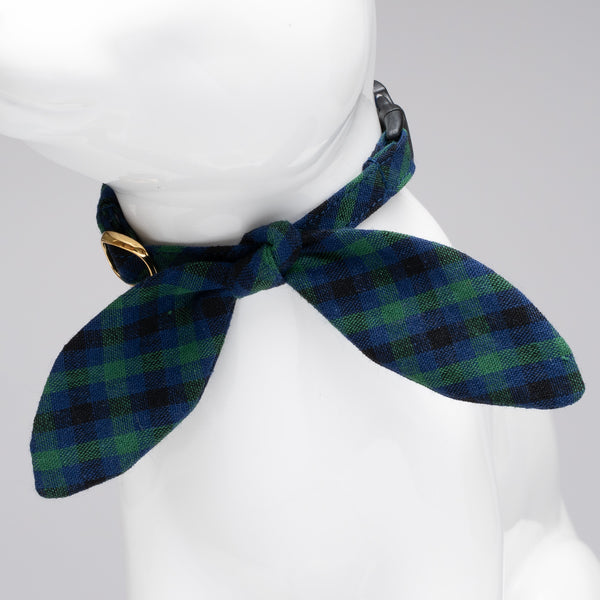
At Poponeko, we carefully craft stress-free cat collars to meet these needs. You can choose from a variety of colors and materials, so please find the perfect collar for your beloved cat!
|
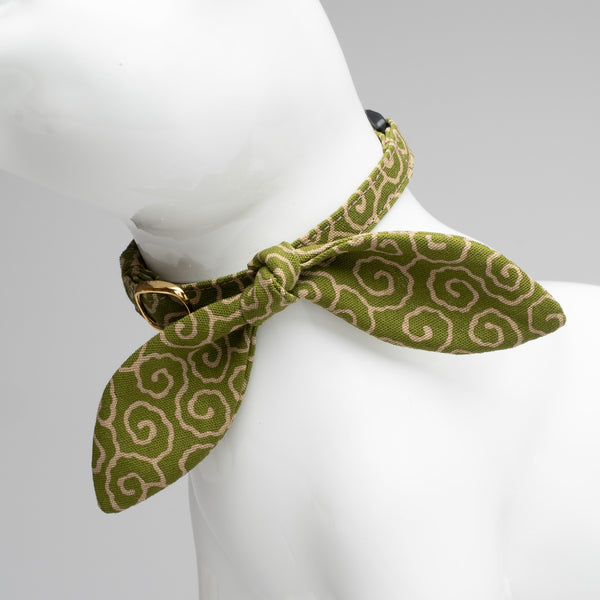
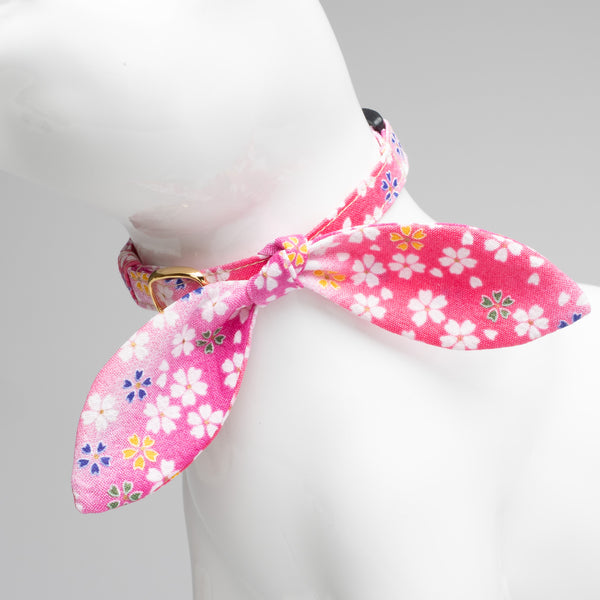
[Products Introduced in This Article] |







Leave a comment