

The number of people who wish to adopt a rescue cat into their family instead of buying one from a pet store is increasing.
As "rescue cats" have become a hot topic in various media, it has become widely known that a screening process and trial period are required to become an adoptive parent of a rescue cat.
This article explains tips for a successful "trial period", which is important for both the cat and the owner, including what to prepare and what to do to help the cat get accustomed to its new environment.
What is a rescue cat trial?
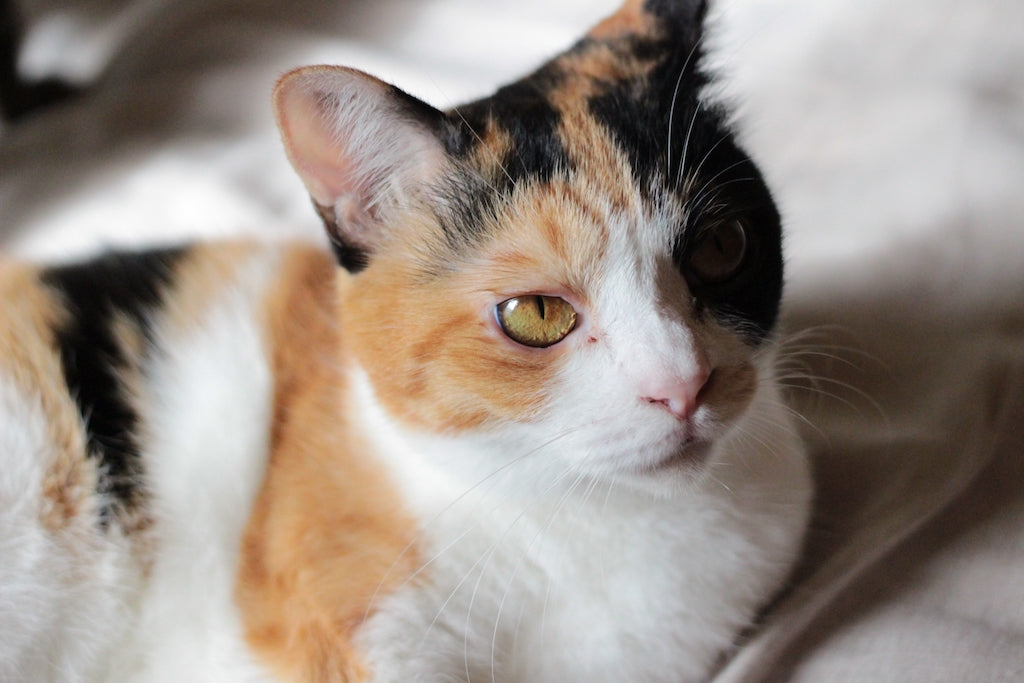
A "trial" is a trial period during which you actually live with a rescue cat.
During the trial period, you assess whether the rescue cat can adjust to the new environment and get along well with existing cats.
Reasons why a trial is necessary for rescue cat adoption
Trials are a system adopted by most rescue organizations, animal welfare centers, and cat cafes, and it is also a period for the foster parent to confirm whether it is acceptable to rehome the rescue cat.
If it is determined after or during the trial period that the cat "cannot be kept" or is "unsuitable for adoption," the rescue cat will be returned to the foster parent.
A trial is essential not only for the rescue cat but also to alleviate anxiety for both the adoptive parent and the foster parent.
How long is the trial period?
Since it is said that it takes two weeks for a cat to get used to a new environment, the trial period for rescue cats is often two weeks.
The purpose of this period is also to learn the cat's true personality and prevent problems such as "it's not what I expected." Therefore, some places set a trial period of about one month.
Rescue Cat Adoption Process
To become an adoptive parent of a rescue cat, you must meet the conditions set by the rescue organization.
For example, the Tokyo Metropolitan Animal Welfare Center has conditions such as "residents of Tokyo aged 20 to 60," "those who currently do not own a dog or cat," and "those who have attended the adoption prerequisite lecture organized by the center."
Adoption conditions and fees vary depending on the rescue organization, so be sure to check them in advance.
Things to prepare before the trial begins
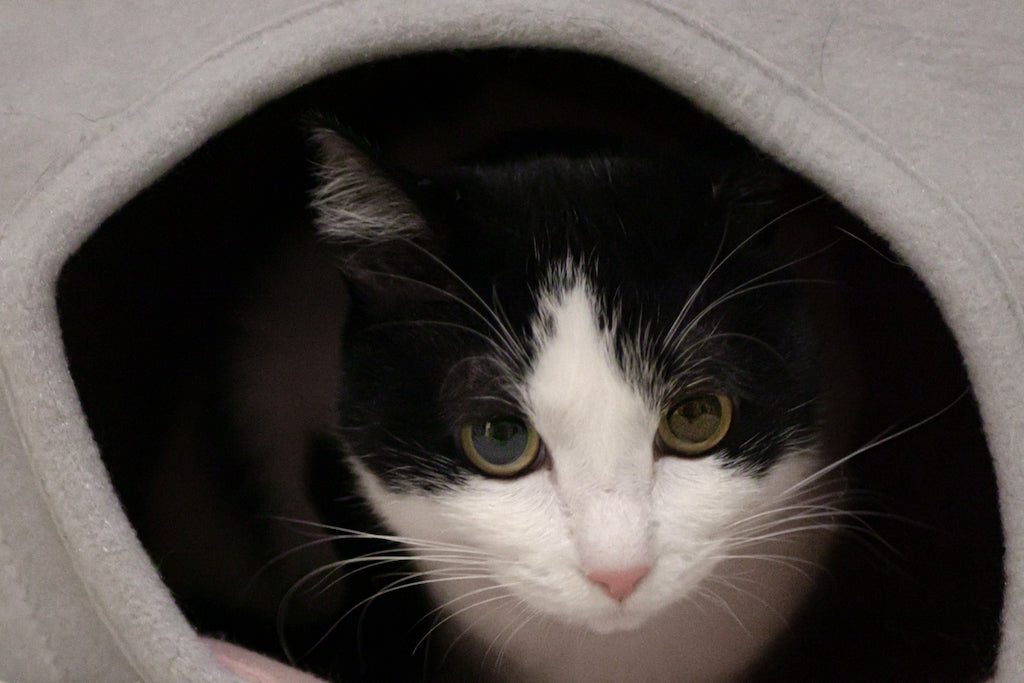
Once you decide to become a rescue cat owner, you need to know how to care for the cat and also prepare cat supplies.
Also, discuss with all family members living together and confirm your understanding of issues such as "strictly indoor cat," "prevention of accidental ingestion," "heatstroke prevention," and "spaying/neutering and vaccinations."
First, prepare for escape prevention.
Most adoption conditions require cats to be kept strictly indoors to protect them from accidents and diseases and to prevent unwanted pregnancies.
Entrances, windows, and balconies need to be secured with nets or fences to prevent escapes.
|
【Related articles here】 |
Prepare the living environment
Even things that are harmless to humans can be dangerous for cats.
For example, electrical cords and outlets pose a risk of electric shock, so measures must be taken to prevent cats from playing with them. Also, put away anything that could be accidentally ingested or cause poisoning.
|
【Related articles here】 |
Preparing cat supplies
Prepare the necessary items for the trial. For consumables such as cat food and cat litter, it's best to use what the cat is already accustomed to, so check with the foster parent before purchasing.
A cage can sometimes be borrowed from the foster parent.
|
The following cat supplies can be purchased after the trial is over and the adoption is officially approved.
|
|
【Related Products Here】 |
The trial should be slow and at the cat's pace
For a rescue cat trial, the foster parent will bring the cat to your home. At this time, they will also check the living environment, so make sure to be well prepared.
Leave them alone at first
Cats are sensitive to environmental changes, so they might be scared after being suddenly brought to an unfamiliar place.
Resist the urge to pet or hold them, and let them settle down first. Cover their cage with a bath towel and let them spend time quietly.
Once they seem to have gotten used to it, open the cage door and wait for the cat to come out into the room. Start with just one room, then gradually expand their roaming area.
Let them get used to you with one finger at a time
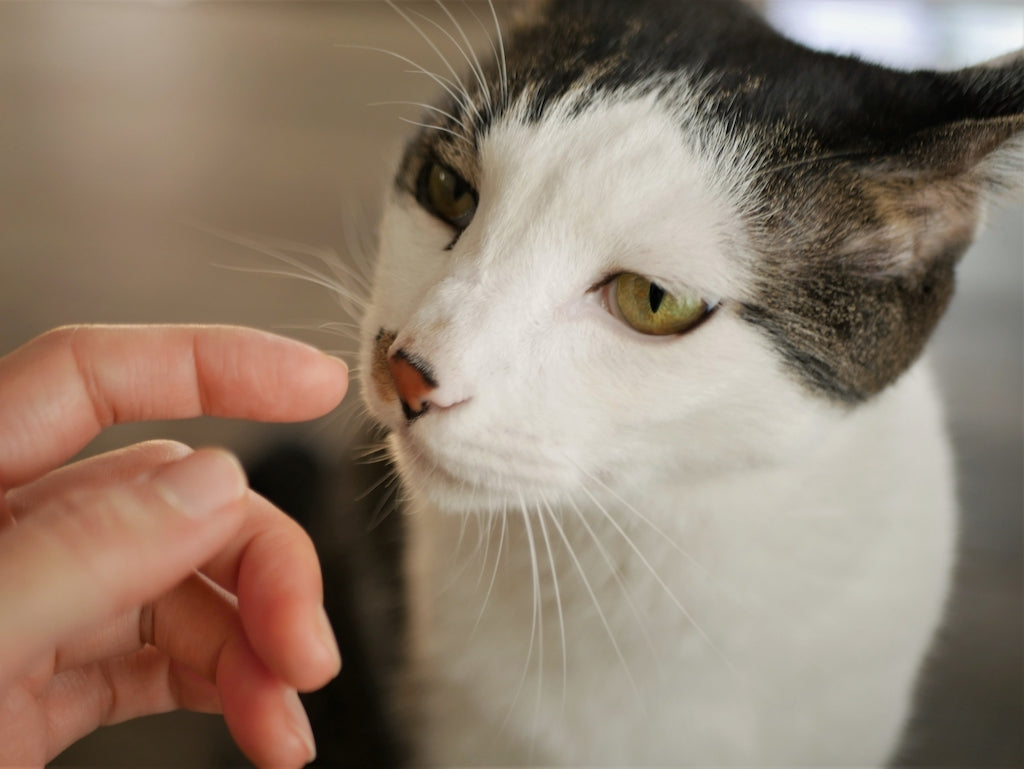
Cats are very cautious, so some may dislike being touched by strangers. Initially, just extend one index finger in front of their nose and let them remember your scent.
While observing the cat's behavior, gradually progress to petting them or playing with toys. Value the trusting relationship with your cat and slowly bridge the distance.
If you have other cats or dogs living with you, start by exchanging scents. Prioritize your existing cats and dogs while gradually introducing the new cat.
| 【Related articles here】 |
Cases where rescue cat trials fail
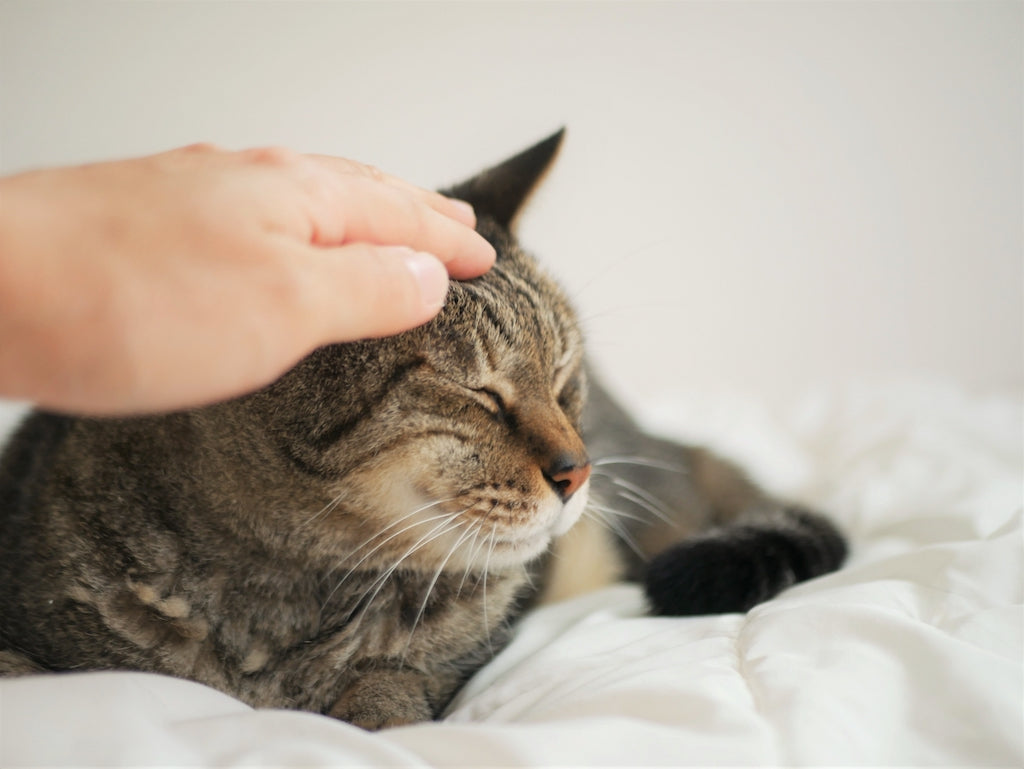
Unfortunately, trials sometimes fail, and cats are returned to their foster parents.
- A family member developed a cat allergy
- There were complaints from neighbors
- I or a family member was hospitalized
- Relocation or long-term business trip was decided
- Incompatibility with existing cats or dogs
These are common reasons for failed trials. Also, cats sometimes get returned for reasons such as:
- Nocturnal meowing is too loud to sleep
- Soiling in inappropriate places
- Biting habits
- Doesn't become affectionate
- Plays mischief with walls or furniture
Even if you're new to living with a cat, these issues can be avoided if you understand cat behavior before the trial.
To prevent sad experiences for cats, it's important to thoroughly understand their behavior and how to deal with behavioral problems.
Related Articles

|
【Related articles here】 |
Summary
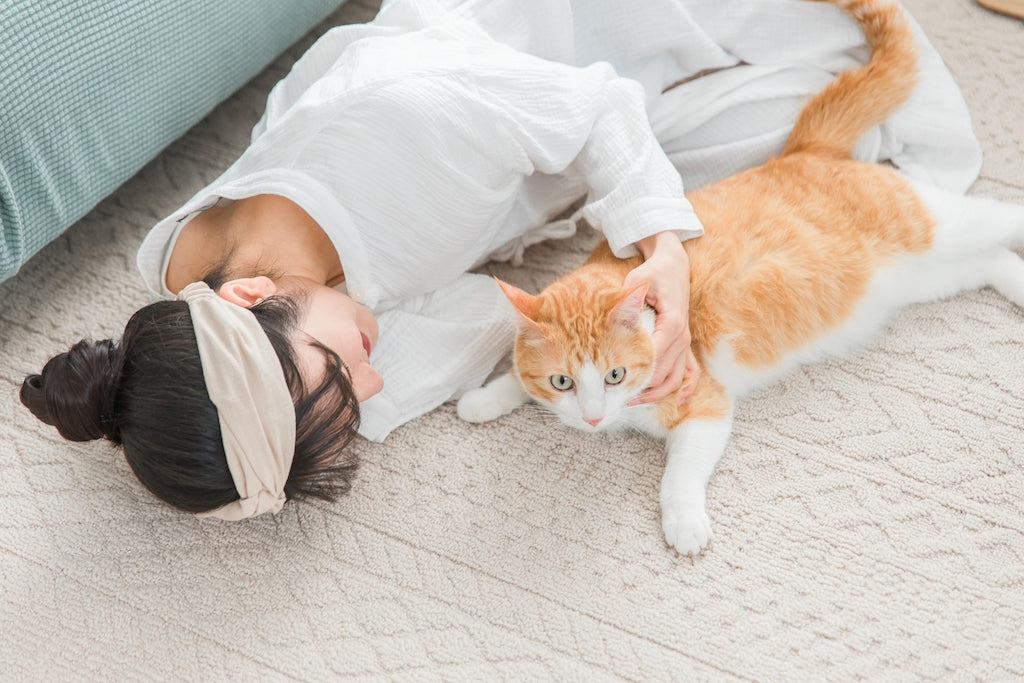
The trial period is less about an試し期間 (trial period) for the adoptive parent and more about a trial period for the cat to get used to its new environment.
The trick is to let the cat get used to the new environment slowly and patiently, understanding its feelings and habits, and trying not to put too much burden on it.
While there can be many restrictions when adopting a rescue cat, the big advantage is that you can always consult with experienced foster parents. Another benefit is being able to welcome an adult cat, which is calmer than a kitten and has a clearly defined personality, into your family.
I hope you will consider "adoption" as an option for meeting a cat.
|
【Related articles】 |


![[Written by a Veterinarian] Is Buying a Cat from a Pet Store a Good Idea? Pros, Cons, and Checkpoints for Identifying a Healthy Kitten](http://www.poponeko.jp/cdn/shop/articles/petshop_cat.jpg?height=400&v=1778304000)
![[Written by a Veterinarian] Before You Worry About Your Rescue Cat Not Warming Up to You: How to Build a Bond with a Skittish Cat and Train Them to Be More Sociable](http://www.poponeko.jp/cdn/shop/articles/shutterstock_2626846741_c3619e26-699b-4722-a0b0-0c99f5414d1b.jpg?height=400&v=1778305548)
![[Written by a Veterinarian] How to Prepare for a Successful Foster Cat "Trial Period": Environment and 2-Week Schedule](http://www.poponeko.jp/cdn/shop/articles/2_a624e34a-ac59-4dfe-88cb-6a373ea44e7d.jpg?height=400&v=1778305479)
![[Written by a Veterinarian] How to tell the age of a rescue cat: Identifying "estimated age" from teeth and eyes and care by age group](http://www.poponeko.jp/cdn/shop/articles/pixta_121706085_L_547a4397-8d02-4a59-804f-238d8151b72e.jpg?height=400&v=1783812906)
![[Set] Leaf Ribbon & Cat Collar - Gingham Check (Raspberry)](http://www.poponeko.jp/cdn/shop/files/DSC00111_50fa7dfb-0b92-465f-96f3-373274a75e62.jpg?v=1780663890&width=600 "[Set] Leaf Ribbon & Cat Collar - Gingham Check (Raspberry)")
![[Set Product] Leaf Ribbon & Scrunchie Cat Collar - Tartan Check Black Watch](http://www.poponeko.jp/cdn/shop/files/2606_00011.jpg?v=1785759845&width=600 "[Set Product] Leaf Ribbon & Scrunchie Cat Collar - Tartan Check Black Watch")
![[Set] Leaf Ribbon - Sunny Mimosa & Scrunchie Cat Collar - MUJI Belgian Linen - Mustard](http://www.poponeko.jp/cdn/shop/files/2608_00411_b02e5118-d247-450a-94cd-97dbd7e27b54.jpg?v=1790033858&width=600 "[Set] Leaf Ribbon - Sunny Mimosa & Scrunchie Cat Collar - MUJI Belgian Linen - Mustard")
![[Set] Leaf Ribbon & Cat Collar - Tartan Check Trench Beige](http://www.poponeko.jp/cdn/shop/files/2606_00015.jpg?v=1785759845&width=600 "[Set] Leaf Ribbon & Cat Collar - Tartan Check Trench Beige")
![[Set] Leaf Ribbon & Cat Collar - Arabesque Swirl, Teal](http://www.poponeko.jp/cdn/shop/files/2608_00118.jpg?v=1789044775&width=600 "[Set] Leaf Ribbon & Cat Collar - Arabesque Swirl, Teal")
![[Set] Leaf Ribbon Fleurage Blue & Cat Collar Belgian Linen Orange](http://www.poponeko.jp/cdn/shop/files/2608_00122.jpg?v=1789197487&width=600 "[Set] Leaf Ribbon Fleurage Blue & Cat Collar Belgian Linen Orange")

Leave a comment