

It is said that cats are strong against heat. However, Japan's hot and humid summer is a difficult season for cats too.
Just like humans, cats can also suffer from "summer fatigue". Symptoms such as not eating, vomiting, or being lethargic may be signs of summer fatigue.
To avoid overlooking your cat's discomfort, let's learn about the causes and symptoms of summer fatigue in cats, and effective measures to combat it.
Do cats also suffer from summer fatigue?
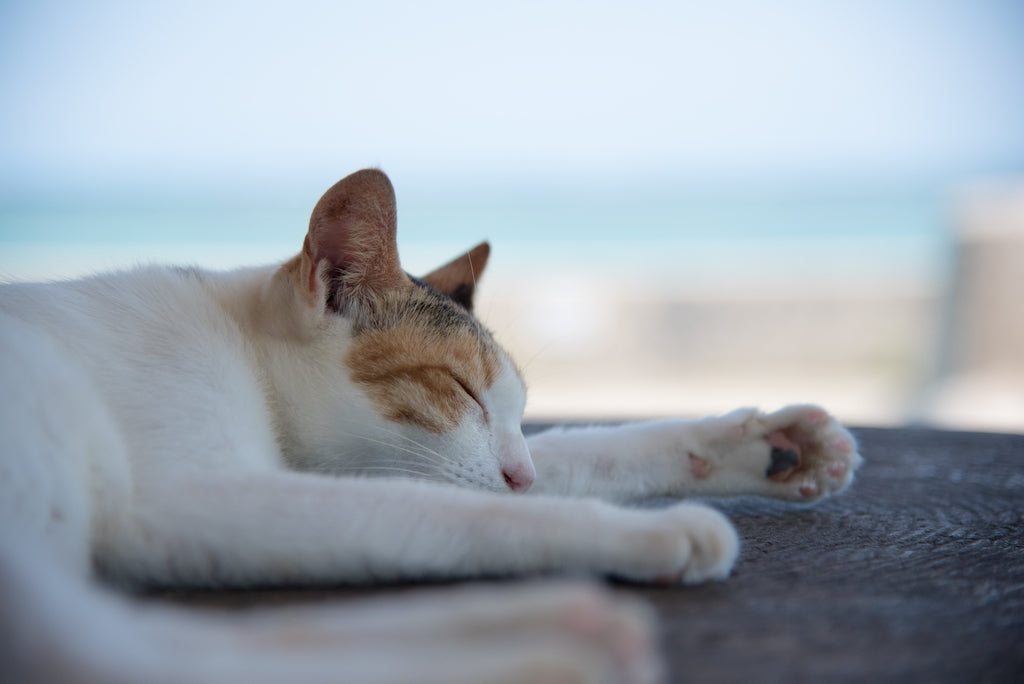
Summer fatigue in cats refers to a chronic state of poor health due to their inability to adapt to hot and humid environments.
The ancestors of cats are the African wildcats that live in dry deserts. Although cats are said to be more tolerant to heat than dogs, cats can also experience summer fatigue and heatstroke.
Causes of summer fatigue in cats
Cats hardly sweat at all. Since they only sweat enough to slightly moisten their paw pads, they cannot lower their body temperature by sweating like humans.
Therefore, they skillfully release heat by sleeping spread out in cool places or by pressing their bodies against cold floors or furniture. Also, by licking their fur during grooming, they cool themselves using evaporative cooling.
However, in hot and humid environments, they cannot regulate their body temperature effectively. They become unable to adapt to temperature changes, and their autonomic nervous system becomes imbalanced, leading to summer fatigue.
Differences between summer fatigue and heatstroke
Similar to summer fatigue, summer is also a season where "heatstroke" in cats is a concern.
"Summer fatigue" refers to a prolonged state of poor health due to an imbalance in the autonomic nervous system in hot and humid environments. "Heatstroke" refers to a functional disorder where the body becomes unable to regulate its temperature due to an inability to cope with rapid temperature increases.
Summer fatigue symptoms appear gradually over several days to weeks, while heatstroke symptoms appear suddenly in a short period of time. Both are dangerous conditions that can be life-threatening.
Symptoms of summer fatigue in cats
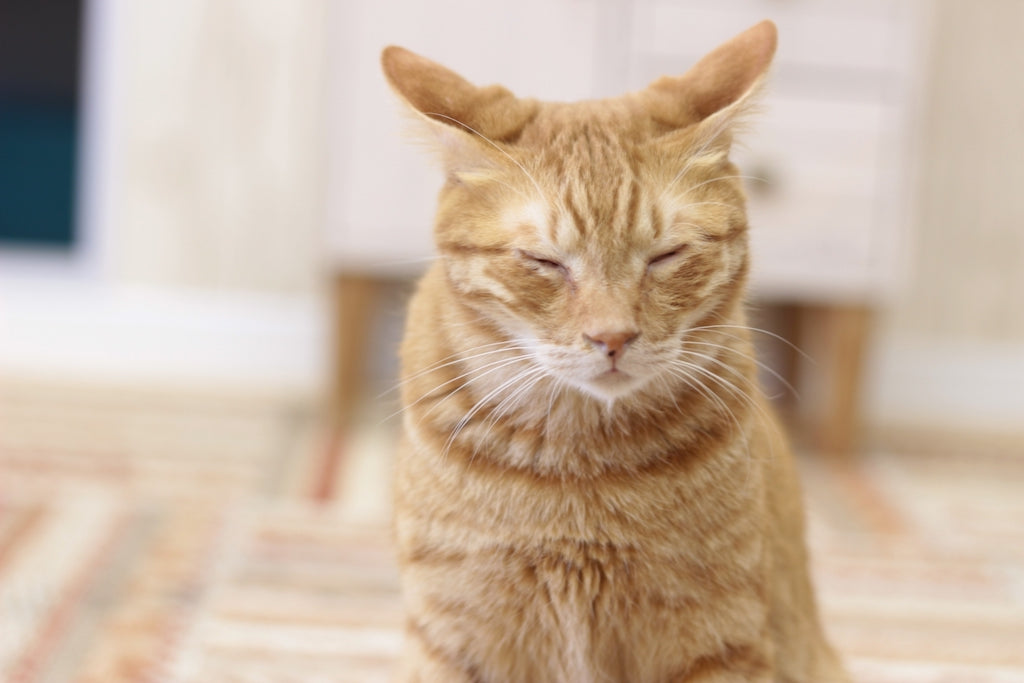
When cats suffer from summer fatigue, they are prone to gastrointestinal symptoms.
However, cats are creatures that hide their poor health. During the summer, pay more attention to your cat's condition than usual.
To notice your cat's poor health, it's important to know the symptoms of summer fatigue in cats.
1. Loss of appetite
A common symptom of summer fatigue in cats is "loss of appetite". The heat weakens their gastrointestinal function, leading to a loss of appetite.
Even humans crave light and cold foods on hot days, don't they?
If your cat isn't eating its usual food or is eating less, it could be a loss of appetite due to summer fatigue. You might also notice changes such as weight loss or dull fur.
2. Lethargy
They might be lethargic and listless, or sleeping a lot. As their appetite decreases, they become limp and inactive.
If they're unresponsive to their favorite treats or toys, or if they hide and don't come out, it could also be a sign of heatstroke.
Immediately move them to a cool place, check if their body is hot, if their breathing is labored, and then take them to a veterinary hospital.
|
[Related articles here] |
3. Vomiting and diarrhea
Poor health due to summer fatigue often manifests as gastrointestinal symptoms such as vomiting and diarrhea.
It's not uncommon for cats to vomit. However, if vomiting and diarrhea continue due to summer fatigue, it can lead to dehydration. This can be life-threatening, so caution is necessary.
|
[Related articles here] |
4. Reduced urination
When a cat is dehydrated, the amount and frequency of urination decrease significantly. If dehydration continues for a long time, the risk of kidney and urinary tract diseases also increases.
Continued loss of appetite can also easily lead to dehydration. If your cat isn't eating or drinking at all, seek veterinary attention promptly.
5. Dull coat
If a cat remains lethargic due to summer fatigue, the frequency of grooming gradually decreases. When their fur becomes dry and dull, it's time to suspect poor health due to summer fatigue.
Characteristics of cats prone to summer fatigue
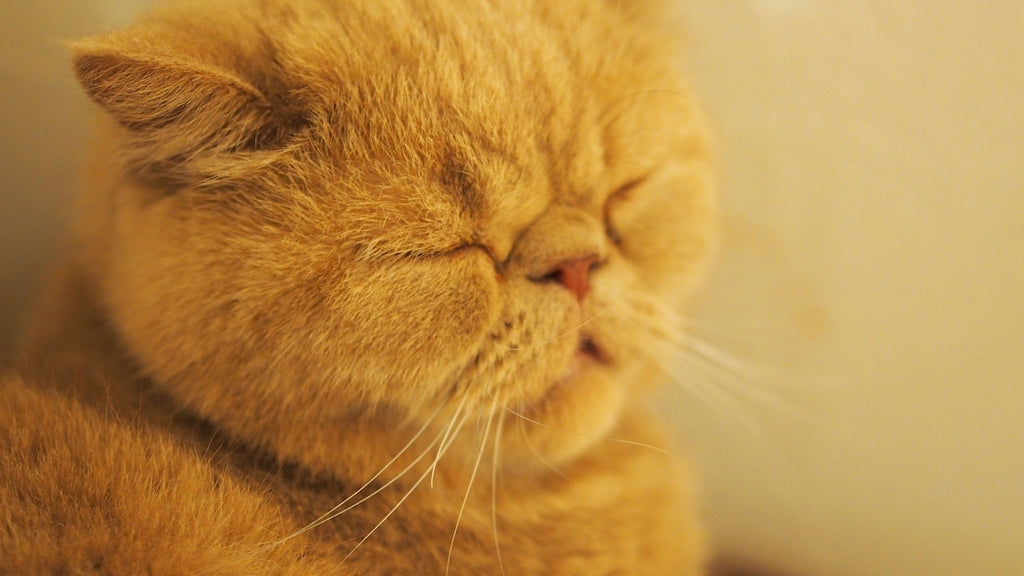
"Long-haired" and "flat-faced" cat breeds are prone to summer fatigue, so caution is required. Additionally, obese cats, kittens, and senior cats who have difficulty regulating their body temperature are also susceptible to summer fatigue.
Long-haired breeds tend to retain heat
Cats with fluffy long hair all over their bodies have difficulty dissipating body heat and tend to retain it.
Maine Coons,Norwegian Forest Cats,Scottish Folds,Munchkins, andRagdolls, among other long-haired cat breeds, absolutely require summer fatigue prevention measures.
Flat-faced cats should also watch out for heatstroke
Persian, Exotic Shorthair, Himalayan, and other brachycephalic breeds have flat noses, which makes nasal breathing difficult and often causes irregular breathing. Since it is difficult for them to lower their body temperature through breathing, they are at a high risk of not only summer fatigue but also heatstroke.
Measures against summer fatigue in cats
What precautions should you take to help your cat spend the summer healthily? Here are some tips for preventing summer fatigue in cats.
Use air conditioning effectively to combat the heat
The ideal room temperature for cats is around 27-30 degrees Celsius, and humidity is around 40-60%. When using air conditioning, set it to cooling mode at 26-28 degrees Celsius.
It's a good idea to provide a bed with a blanket or allow them to move to another room so that cats can adjust themselves if they get cold.
|
[Related articles here] |
Use cooling items
Some cats simply dislike air conditioning. Japanese summers are harsh. It takes ingenuity to get through without air conditioning.
Ideally, turn on the air conditioner in another room and use a circulator to circulate the cool air to lower the temperature in the room where your cat spends time.
You can also try placing a commercial aluminum plate or cool mat in your cat's bed, or opening up a well-ventilated bathroom. Find a method that suits your cat's preferences.
Brush your cat
Brush regularly to remove excess hair. Air circulating between the hairs makes it easier to dissipate heat, which also helps prevent heatstroke. This is especially important for long-haired cats. If your cat is prone to summer fatigue, consider a summer cut.
Devise ways to encourage hydration
Many owners worry that their cats don't drink enough water, but hydration is essential for preventing summer fatigue and heatstroke.
If your cat doesn't drink even when a water bowl is provided, try topping dry food with wet food or giving wet treats to encourage hydration without forcing it.
Also, try increasing the number of water bowls or using an automatic water dispenser to encourage your cat to drink as much as possible.
|
[Related articles here] |
Don't forget to take precautions against escapes
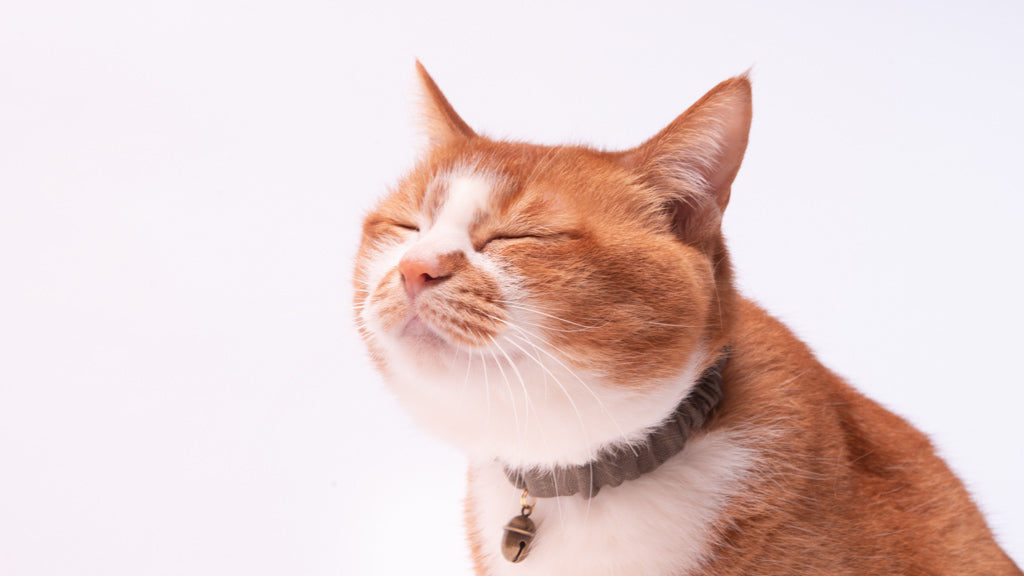
To combat summer fatigue, it's important to keep the room well-ventilated. During the hot season, we often open windows to prevent heat and humidity from building up.
However, when windows are open, there's a concern about "escapes". Cats breaking through screen doors or jumping out are common during this season.
Make sure to take thorough measures against escapes, such as installing bars on windows or screen door stoppers. You can easily DIY these with 100-yen shop wire nets or tension rods, allowing for immediate heat and escape prevention.
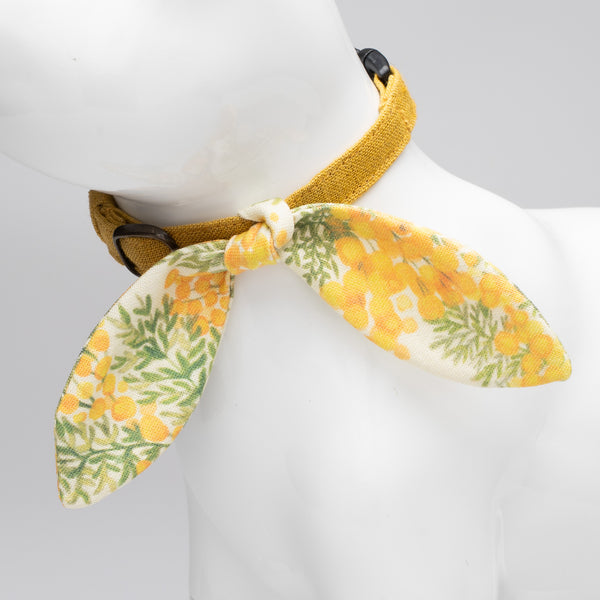
Also, in case of an accidental escape, put a "cat collar" and "ID tag" on your cat. During the hot season, cat collars made of linen or bacteria-resistant materials are recommended. A cat collar that can be kept clean at all times provides peace of mind.
|
[Check out the product details introduced in the article] |
Summary
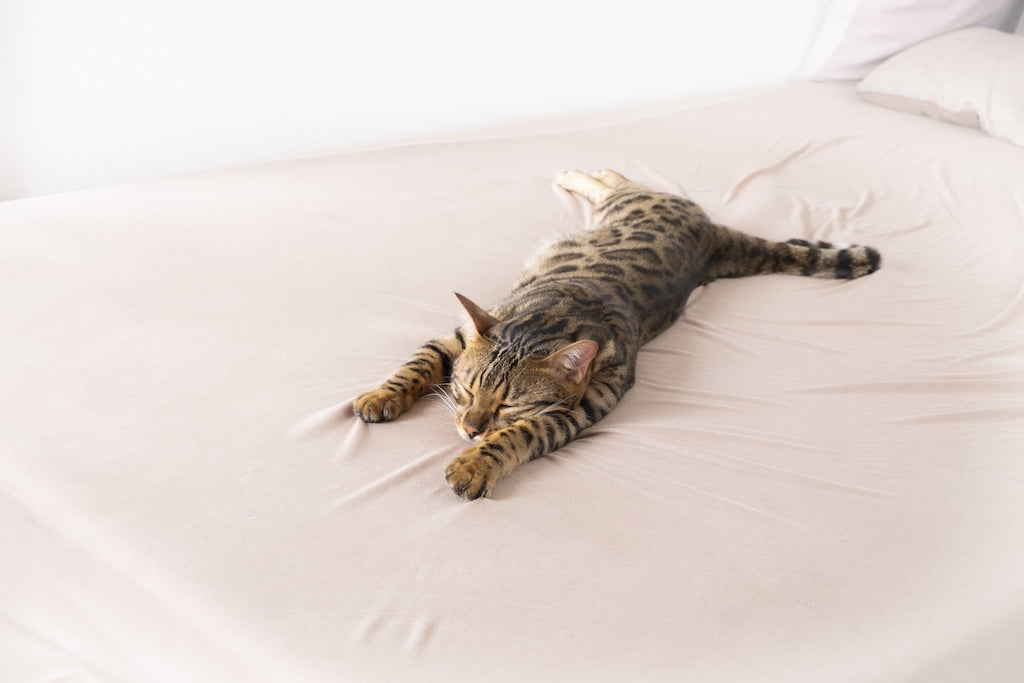
The hot and humid Japanese summer is a harsh season for cats. Many cats fall ill due to summer fatigue.
Summer fatigue in cats often presents with digestive symptoms, starting with loss of appetite, followed by poor health such as diarrhea and vomiting. Dehydration can also lead to reduced urination and a dull coat.
Both summer fatigue and heatstroke in cats are caused by the inability to regulate body temperature effectively in hot and humid environments.
During summer, it's crucial to ensure good ventilation in the room and use air conditioning to maintain a comfortable temperature. Additionally, encourage hydration by topping wet food or offering wet treats.
Cats have a habit of hiding their ailments. If your cat seems a little lethargic or is eating less, suspect "summer fatigue" and check if the room temperature is appropriate, and if there's any diarrhea or vomiting.
Only owners can notice changes in their cat's health. While taking measures against summer fatigue, please keep an eye on your cat's condition.

Author Profile



![Feline Infectious Peritonitis (FIP) Treatment Guide [2024 Edition]: Latest Information and Treatment Options](http://www.poponeko.jp/cdn/shop/articles/shutterstock_1633580878.jpg?height=400&v=1727181737)


![[Set Product] Leaf Ribbon & Cat Collar - Champ de Fleurs Mustard](http://www.poponeko.jp/cdn/shop/files/DSC00104_6c37e71d-120f-40d9-a773-9a5b7e885760.jpg?v=1780663183&width=600 "[Set Product] Leaf Ribbon & Cat Collar - Champ de Fleurs Mustard")
![[Set] Leaf Ribbon & Cat Collar - Gingham Check (Raspberry)](http://www.poponeko.jp/cdn/shop/files/DSC00111_50fa7dfb-0b92-465f-96f3-373274a75e62.jpg?v=1780663890&width=600 "[Set] Leaf Ribbon & Cat Collar - Gingham Check (Raspberry)")
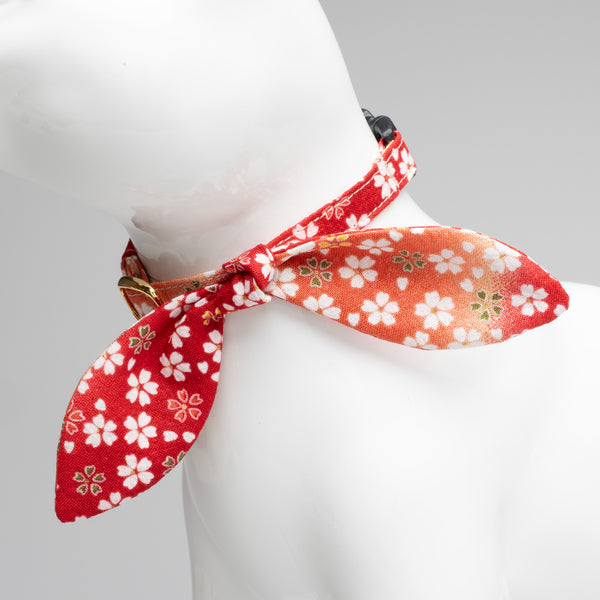
![[Set] Leaf Ribbon Moda Fab-Boo-Lous & Cat Collar Cotton Oxford Orchid](http://www.poponeko.jp/cdn/shop/files/260618_00166.jpg?v=1784451812&width=600 "[Set] Leaf Ribbon Moda Fab-Boo-Lous & Cat Collar Cotton Oxford Orchid")
![[Set Item] Leaf Ribbon & Cat Collar - Petit Fleur - Pastel Pink [Limited Color]](http://www.poponeko.jp/cdn/shop/files/2608_00409.jpg?v=1789946167&width=600 "[Set Item] Leaf Ribbon & Cat Collar - Petit Fleur - Pastel Pink [Limited Color]")
Leave a comment