
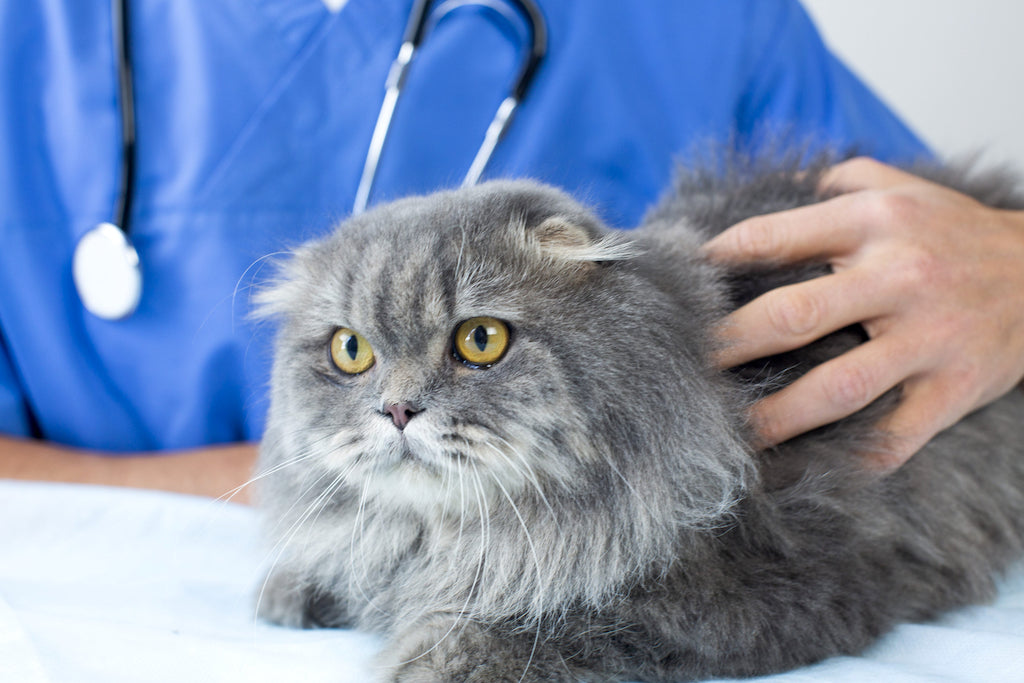
Your beloved cat is part of your family. It's only natural to want them to be healthy and energetic forever.
However, cats are good at hiding their discomfort. You might worry about what to do if you don't notice a sickness.
That's why we recommend a "health check-up." This time, we'd like to explain in detail about cat health check-ups, including at what age they should start, what kind of tests are performed, and how much they cost.
Reasons why cats need health check-ups
Compared to the past, cats can now live much longer. This is due to factors such as being kept indoors, improved diet, and advancements in veterinary medicine.
However, cats age 4 to 5 times faster than humans. Cats are also said to hide their discomfort, so sometimes a disease can be advanced by the time it's noticed.
Regular health check-ups are necessary for the early detection of cat diseases.
Early detection can lead to the possibility of complete recovery, or at least help alleviate symptoms.
It's also important to keep track of your cat's health status. Pay particular attention to obesity. The appropriate weight varies depending on the cat's breed and age, so regular checks can provide peace of mind.
At what age should cats start having health check-ups (cat docks)? How often are they needed?
Cat health check-ups are necessary for "early detection and early treatment of diseases" and "understanding their health status."
But at what age should health check-ups begin? And how often should they be performed?
First health check-up around 6 months of age
Around 6 months of age is the time to consider spaying or neutering. Be sure to get a health check-up before the surgery.
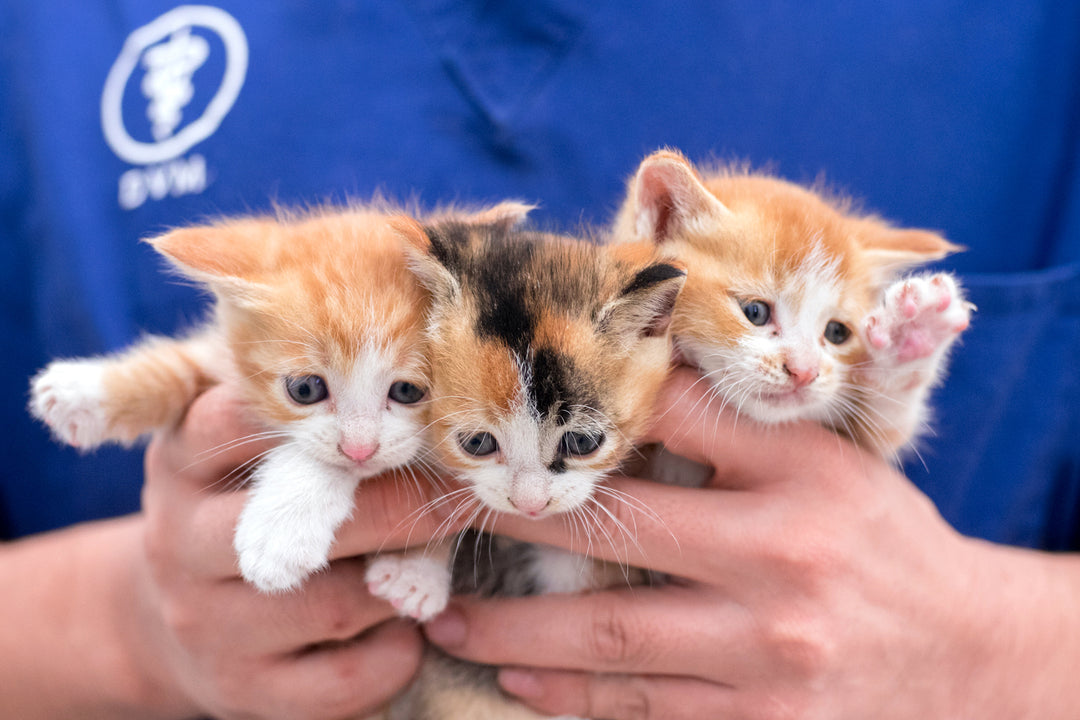
Kittens are prone to illness. It's a good idea to get a health check-up along with vaccinations, which start around 2 months of age.
Getting your kitten used to the veterinary hospital environment from an early age also has the advantage of reducing stress during vet visits when they are adults.
|
[Related articles here] |
After 1 year of age, have a health check-up once a year
After your cat turns 1 year old, they should have a health check-up once a year.
Making your cat's birthday or the day they joined your family the day of their health check-up is a good idea. Jotting it down on your phone or in your cat's health record will help you remember.
If you combine it with the annual parasite prevention, it's recommended to have the health check-up around spring each year.
|
[Related articles here] |
After 7 years of age, a health check-up every six months is recommended
As cats reach their senior years, their activity level significantly decreases. Not only does this increase the risk of obesity, but also diseases like kidney disease, so a health check-up every six months is recommended.
It's also a good idea to regularly observe their water intake and urination patterns.
|
[Related articles here] |
If you rescue a cat, first get a health check-up
There might be times when you suddenly rescue a cat. If the rescued cat is a small kitten, you'll likely have many worries.
If you rescue a cat, first take them to the vet for a health check-up. They will check for injuries, illnesses, and whether there's a microchip. They can also estimate the cat's age and sex.
Additionally, blood tests and fecal exams are performed to check for infectious diseases. Deworming will also be done if necessary.
If you plan to welcome the cat into your family, vaccinations, parasite control, and spaying/neutering will be performed. Of course, continue to have regular health check-ups afterward.
What happens during a cat health check-up (cat dock)? What are the tests?
A cat's health check-up typically involves checking the following items:
- Physical examination
- Blood test
- Urinalysis
- Fecal test
The physical examination includes basic health checks such as weight and temperature measurement, visual inspection, palpation, and auscultation. The overall condition of the body is examined, including the condition of teeth and gums, the presence of skin inflammation or lumps, and the state of joints.
During a blood test, blood is drawn to check for any abnormalities in organs. Similar to human health check-ups, blood sugar and cholesterol levels are also measured.
Urine and stool samples should be collected at home and brought in. If this is difficult, you can discuss it with the vet, as samples can also be collected at the animal hospital. Urinalysis checks pH levels and bacteria, while fecal tests check for parasites and blood.
Optional tests may be added depending on age and health status
If your cat has a chronic illness or is a senior cat, the following tests may also be performed:
- X-ray examination
- Ultrasound examination
- Thyroid hormone test
X-ray examinations help diagnose things that cannot be seen externally, such as the position and size of organs, bone deformities, and joint abnormalities. Ultrasound examinations check for lumps and urinary stones.
Senior cats are prone to hyperthyroidism. Therefore, it's reassuring to also have a thyroid hormone test (blood test).
What is the cost of a cat health check-up?
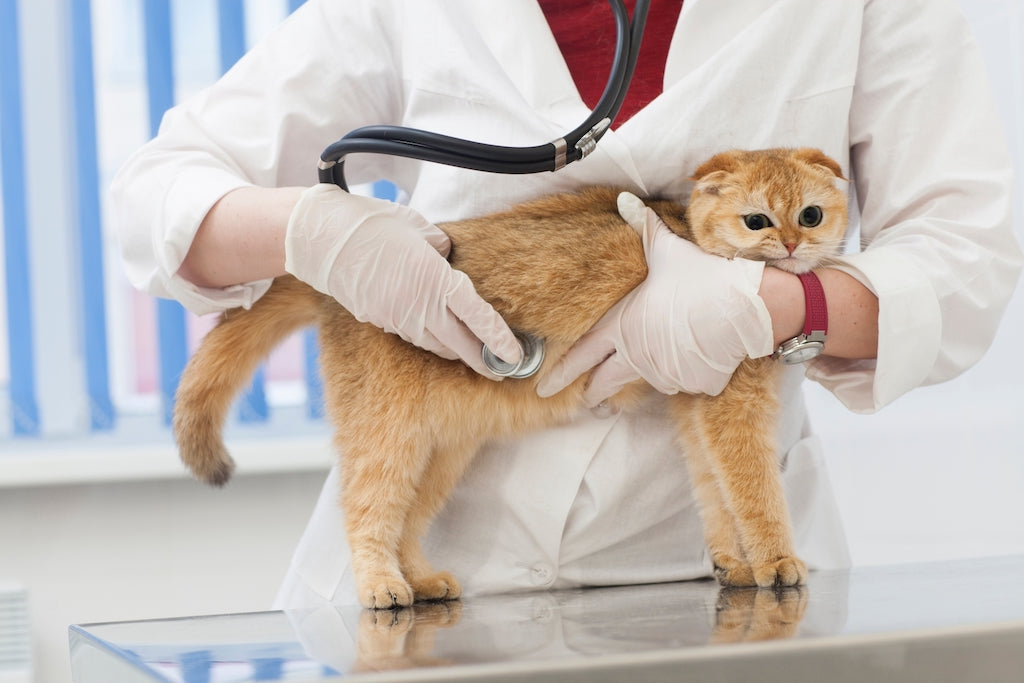
Cat health check-ups are essential, but the cost is a concern. For a basic health check-up including physical examination, blood test, urinalysis, and fecal test, the cost typically ranges from 5,000 to 15,000 yen.
Adding optional tests such as X-ray, ultrasound, and thyroid hormone tests can increase the cost to approximately 15,000 to 30,000 yen.
Health check-ups are usually not covered by pet insurance and are mostly out-of-pocket expenses. Some animal hospitals offer health check-up packages like "Animal Dock" or "Cat Dock," which can make the fee structure clearer.
The cost of a health check-up also varies depending on the cat's age and weight. It's a good idea to confirm in advance what tests your cat needs and how much they will cost.
Things to keep in mind for your cat's health check-up
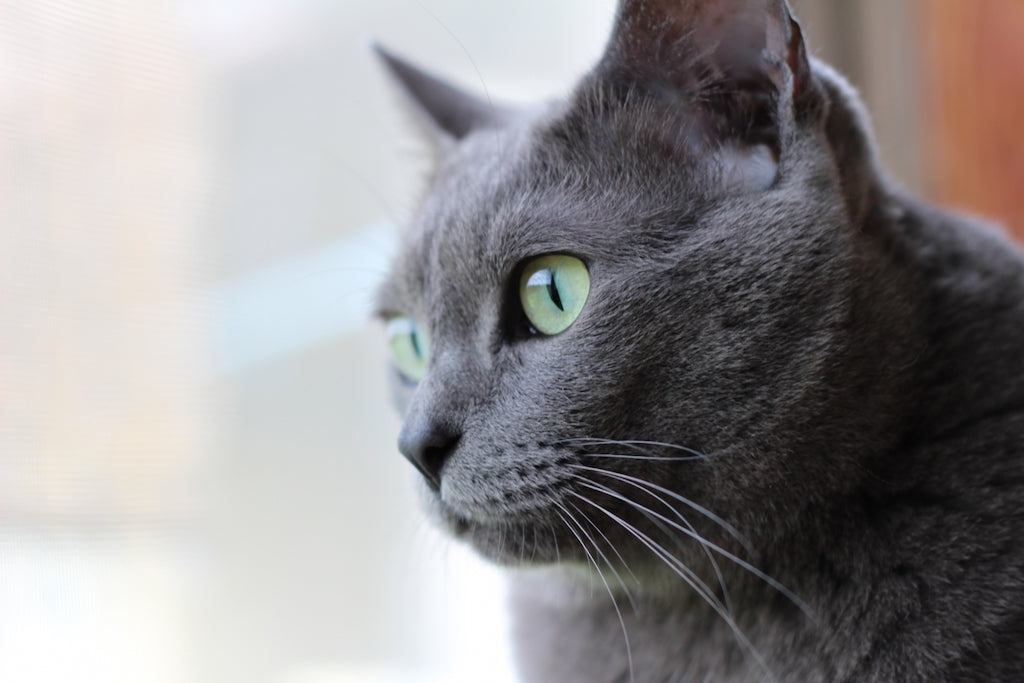
There are a few things to keep in mind when taking your cat for a health check-up.
Confirmation of chronic conditions and medications being taken
During the pre-check-up consultation, you'll be asked about any concerns regarding your cat's health, their medical history, and any medications they are currently taking. To provide accurate information, it's a good idea to keep a record in a cat-specific health record book or similar.
Whether fasting is required
If a blood test is performed, fasting may be necessary. If you are instructed to fast when booking the health check-up, be sure to follow it.
How long will it take?
A basic health check-up usually takes about an hour, while more detailed examinations with optional tests can take about half a day. Be sure to confirm the estimated time when you book your appointment.
Measures to prevent escape during vet visits
For indoor cats, going out for a health check-up can be frightening. Make sure to take thorough measures to prevent them from panicking and escaping.
Always place them in a carrier when traveling. If they become agitated, calm them by "putting them in a laundry net" or "covering their eyes with a towel." If they are used to a harness, attach a leash before putting them in the carrier.
Summary
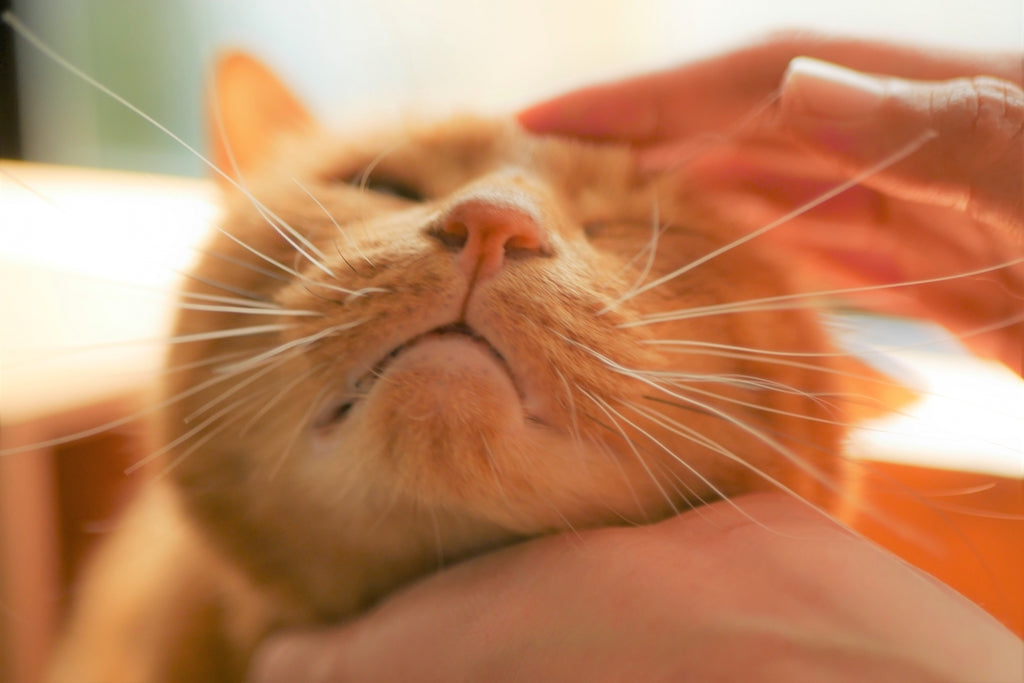
Even if they seem healthy, they might actually be feeling unwell... Cats instinctively hide their discomfort. It might be difficult for owners to notice their cat's slight ailments.
However, cats are at a high risk of kidney disease, and it's not uncommon for it to be quite advanced by the time it's noticed. Regular health check-ups are extremely important for early detection and early treatment of diseases.
Cats should have a health check-up once a year, starting from around 6 months of age when they get spayed or neutered. For senior cats over 7 years old and cats with chronic illnesses, a health check-up every six months is recommended.
Also, recording examination values when your cat is healthy makes it easier to identify the cause when they do fall ill.
Even if your cat has to put in a little effort, make sure to get them a health check-up once a year.
|
[Related products here] |
Author Profile



![Feline Infectious Peritonitis (FIP) Treatment Guide [2024 Edition]: Latest Information and Treatment Options](http://www.poponeko.jp/cdn/shop/articles/shutterstock_1633580878.jpg?height=400&v=1727181737)


![[Set] Leaf Ribbon & Cat Collar - Champ de Fleurs, Raspberry](http://www.poponeko.jp/cdn/shop/files/DSC00099_6b51f9b4-93c7-4c58-b439-108715aa361f.jpg?v=1780663183&width=600 "[Set] Leaf Ribbon & Cat Collar - Champ de Fleurs, Raspberry")
![[Set Product] Leaf Ribbon by Moda Salutations & Cat Collar by MUJI Cotton Plain - Koubai](http://www.poponeko.jp/cdn/shop/files/260618_00176.jpg?v=1784451813&width=600 "[Set Product] Leaf Ribbon by Moda Salutations & Cat Collar by MUJI Cotton Plain - Koubai")
![[Set] Leaf Ribbon & Scrunchie Cat Collar, Gingham Check, Blue](http://www.poponeko.jp/cdn/shop/files/DSC00092_346b4b0c-da46-4b7b-b5e9-8ab3dafb6534.jpg?v=1780663891&width=600 "[Set] Leaf Ribbon & Scrunchie Cat Collar, Gingham Check, Blue")
![[Set] Leaf Ribbon & Cat Collar TARTAN CHECK DRESS RED](http://www.poponeko.jp/cdn/shop/files/2606_00016.jpg?v=1785759845&width=600 "[Set] Leaf Ribbon & Cat Collar TARTAN CHECK DRESS RED")
![[Set Product] Leaf Ribbon Fleurage Blue & Scrunchie Cat Collar Belgian Linen Orange](http://www.poponeko.jp/cdn/shop/files/2608_00135.jpg?v=1789197487&width=600 "[Set Product] Leaf Ribbon Fleurage Blue & Scrunchie Cat Collar Belgian Linen Orange")
![[Set Product] Leaf Ribbon & Cat Collar - Tartan Check Classic Red](http://www.poponeko.jp/cdn/shop/files/2606_00018.jpg?v=1785759845&width=600 "[Set Product] Leaf Ribbon & Cat Collar - Tartan Check Classic Red")

Leave a comment