
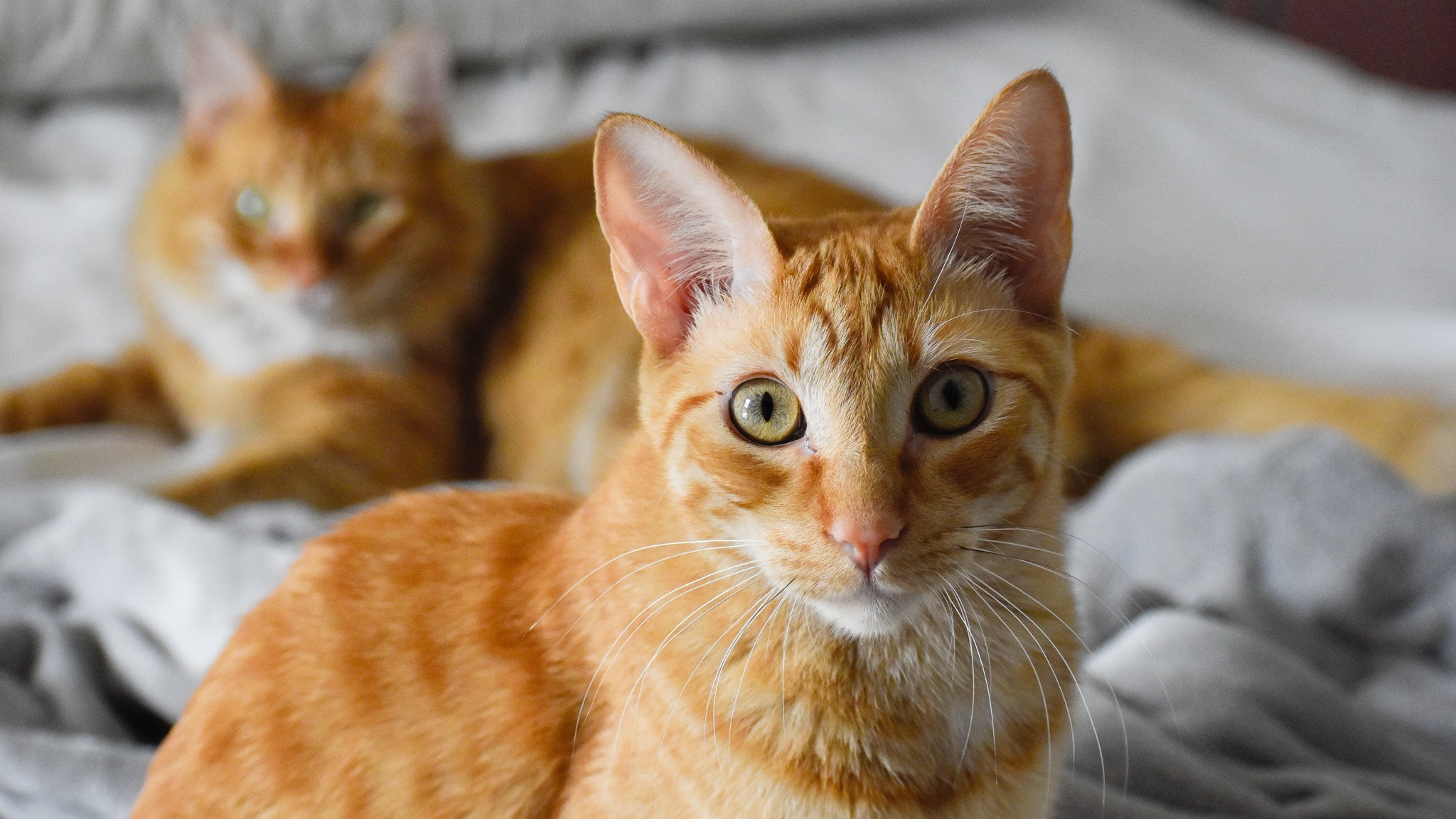
For current cat owners, neutering or spaying is considered common practice. These procedures involve removing the cat's reproductive organs (ovaries, uterus, or testicles). This not only prevents unwanted pregnancies but also suppresses behaviors associated with being in heat.
In this article, we will explain cat neutering/spaying in detail.
What is Cat Neutering/Spaying? Basic Knowledge from a Veterinarian

Difference Between Sterilization and Spaying/Neutering
Sterilization and spaying/neutering both involve the removal of reproductive organs to prevent pregnancy and are used almost synonymously. Generally, "spaying" refers to the procedure for female cats, and "neutering" for male cats, with "sterilization" being the collective term for both.
What is the Purpose of Sterilization?
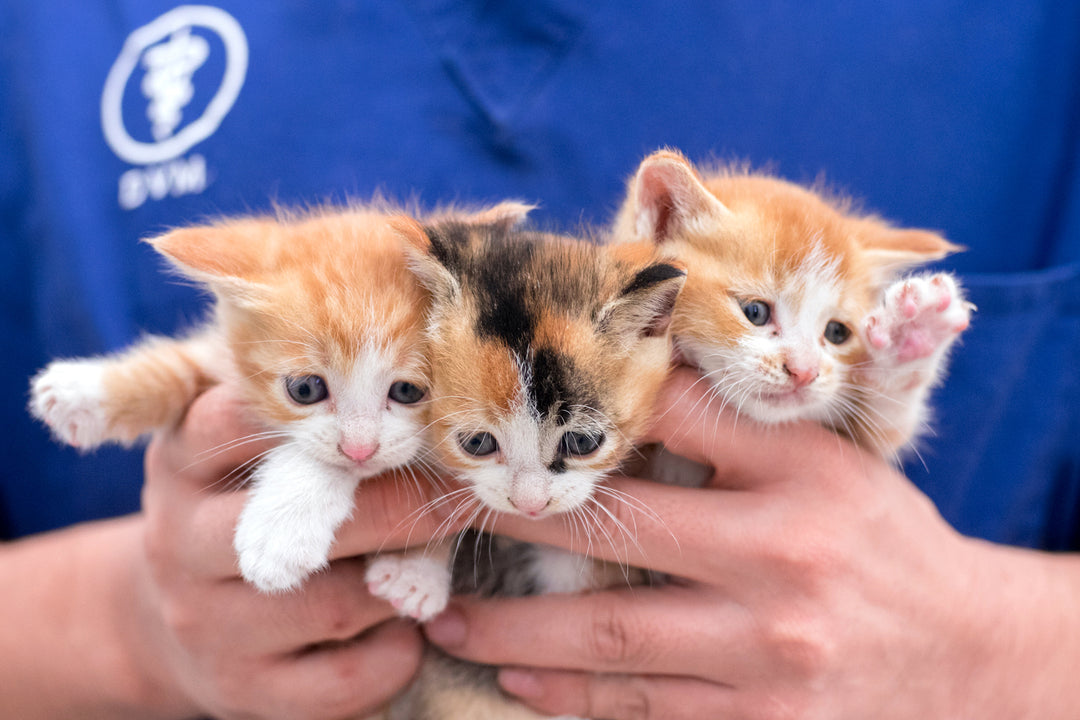
The purpose of cat sterilization is to avoid unwanted pregnancies and to suppress heat behaviors. Cats typically go into heat in spring and autumn, and a female cat's heat can induce a male cat's heat. Cats are induced ovulators, meaning ovulation occurs due to mating stimulation, so pregnancy is almost certain to occur. One litter can produce 1 to 8 kittens, and the female can become pregnant again in the next heat season. This leads to a rapid increase in population. According to calculations by the Ministry of the Environment, if one female cat gives birth, the cat population can increase by over 20 in one year and over 2000 in three years.
Heat behaviors can be quite troublesome for owners. When cats are in heat, they make distinctive vocalizations and spray strong-smelling urine on walls and other surfaces. They may also run away in search of a mate, leading to traffic accidents or getting lost. Additionally, cats may get into fights, resulting in injuries or contracting infectious diseases like feline AIDS.
To solve these problems, sterilization is considered necessary.
Specific Procedure and Duration of the Surgery
Surgery can be performed from around six months of age. Due to general anesthesia, there will be instructions for fasting before the surgery. Many veterinary clinics dedicate their lunch break to surgeries, so pre-operative examinations (blood tests, X-rays, etc.) are conducted in the morning after admission, and if there are no issues, the surgery proceeds.
Surgical time varies depending on the method, but it's typically around 30 minutes for females and 15 minutes for males. After surgery, the cat will be observed for recovery from anesthesia and bleeding for several hours or overnight, and will be discharged if there are no complications.
Understanding the Pros and Cons of Sterilization

Disease Prevention (e.g., Pyometra, Mammary Tumors)
Sterilization helps prevent diseases such as pyometra, mammary tumors, and testicular tumors. Since sterilization involves removing the ovaries, uterus, or testicles, it prevents diseases that could occur in these organs. Feline mammary tumors are also preventable through spaying. These tumors are influenced by female hormones, and 90% of feline mammary tumors are malignant, often having metastasized by the time they are discovered. Spaying before the first heat reduces the risk of occurrence by about 90%, and surgery before one year of age can prevent 86% of cases.
Without heat, there are fewer fights with other cats, reducing the risk of infectious diseases like feline AIDS.
Reducing Heat Behavior and Managing Stress
Sterilization suppresses heat behaviors and eliminates the stress associated with being in heat.
When cats are in heat, they emit unique vocalizations that are very loud and annoying, and they continue to do so throughout the heat season, causing stress for owners. Additionally, male cats spray strong-smelling urine on walls (spraying behavior) that can be difficult to remove. This behavior is how male cats communicate information to female cats, but the ingrained odor is hard to get rid of.
During heat, both males and females seek mates, making escapes more likely. This can lead to traffic accidents and getting lost. Also, cats can become agitated and irritable during heat.
Sterilization eliminates these problematic behaviors. It is also known that the elimination of stress during heat tends to prolong a cat's lifespan.
The Reality of Costs and Surgical Risks
The cost of sterilization varies by veterinary clinic, but a rough estimate is around 10,000 to 40,000 yen. The difference in cost is due to the varying medications, equipment, and surgical times used by hospitals. Even if you have pet insurance, sterilization is typically not covered.
Since surgery involves general anesthesia and incisions, there is always a risk, though it is very low. Pre-operative examinations are conducted to assess if the surgery can be performed without problems. During the operation, emergency medications are prepared to address any abnormalities immediately. Nevertheless, the risk cannot be completely eliminated. Potential complications of surgery include bleeding, shock, and infection.
What is the Optimal Timing for Cat Sterilization?

When is the Ideal Age? Why Pre-Sexual Maturity is Better
Cats can go into heat and become pregnant around six months of age. At this point, their bodies are also sufficiently developed for surgery to be performed without issues. Therefore, it is recommended to sterilize cats after six months of age but before their first heat. As mentioned earlier, for females, spaying before the first heat almost certainly prevents mammary tumors, which is another reason why we recommend surgery after six months of age and before the first heat.
Should Surgery During Heat Be Avoided?
This question often arises for female cats. During heat, the uterus and ovaries are highly vascularized, and the uterus itself may be thicker. Therefore, it is often said that surgery during heat should be avoided due to increased risk of bleeding and potentially larger incisions, but in practice, surgery can be performed without issues even during heat. If mating does not occur during a cat's heat season, heat cycles will repeat every two weeks. Thus, it's common for the next heat to begin while waiting for the current one to end. For this reason, surgery is performed even during heat. I personally perform surgeries even during heat after explaining the bleeding risks.
Impact of Indoor vs. Outdoor Living
For indoor cats, constant light exposure is said to make them more prone to going into heat year-round. Therefore, they might go into heat not just in spring and autumn, but in other seasons as well. It is thus advisable to sterilize them once they reach six months of age. For outdoor cats, owners might not notice their heat behavior before letting them outside, which can lead to accidents, getting lost, or unwanted pregnancies. There have been cases where cats as young as four months old became pregnant.
Post-Sterilization Care: Checkpoints for Recovery

Post-Operative Cat Behavior and Proper Management
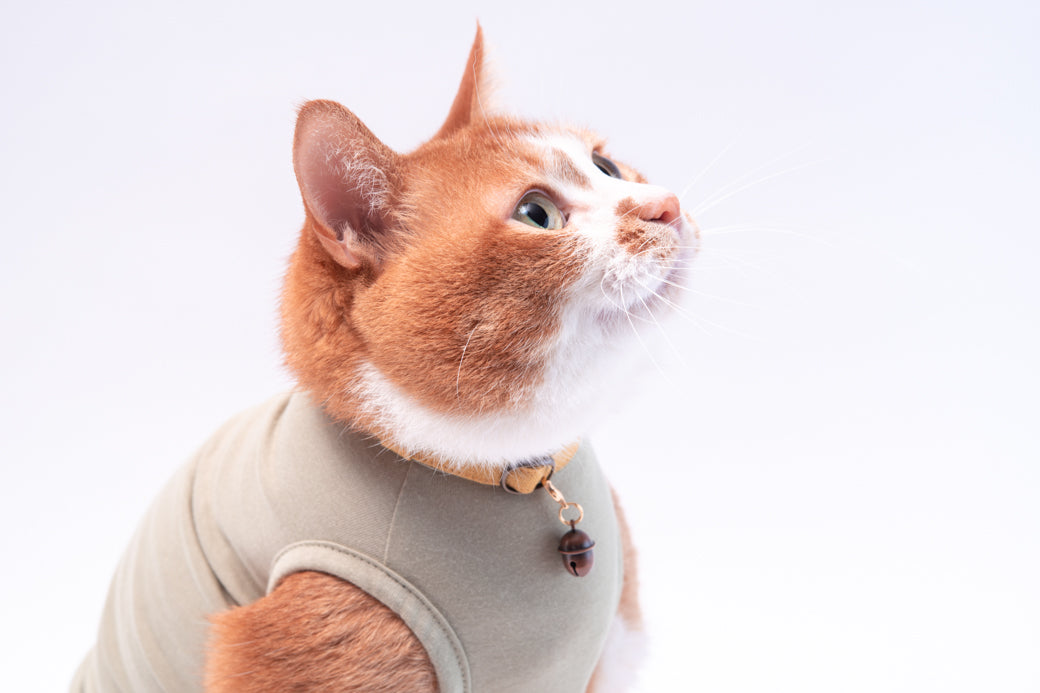
After surgery, pain will emerge as the anesthesia and painkillers wear off. Many cats will try to lick the wound due to discomfort, or they may become still and unresponsive due to pain. Licking the wound can cause sutures to come undone or increase the risk of infection. Therefore, for cats who bother their wound, an Elizabethan collar or recovery suit may be suggested. An Elizabethan collar is worn around the neck to prevent the cat from licking the wound. Choose one where the cat's nose cannot extend beyond the edge. Collars are generally better for male cats. A recovery suit is a garment that covers the wound to prevent licking. Unlike collars, it is less bothersome. Suits with Velcro on the back are easy to put on and take off.
|
【Related Articles】 |
|
【Related Products】 |
Wound Care and What to Do in Case of Abnormalities
In most cases, you won't need to do wound care at home after surgery. However, you will need to visit the vet for suture removal and to check on the wound's condition. The timing of follow-up visits varies by veterinary clinic, so be sure to confirm after surgery. If your cat continues to bother or lick the wound, or if the wound opens or bleeds after you return home, seek immediate veterinary attention. Also, if the wound becomes infected, you may notice pus or discharge; in such cases, consult your vet immediately.
It's common for appetite to decrease after surgery, but if your cat still has no appetite or seems unwell, or if they vomit two days after surgery, a vet visit is necessary.
Examples of Dietary and Exercise Restrictions
On the day of surgery, your cat will be fasted due to the effects of anesthesia, but they can return to their normal diet the next day. If their appetite is poor, you might offer wet food. After sterilization, cats tend to gain weight due to changes in metabolism and hormones. Therefore, it's necessary to switch to a diet formulated for spayed/neutered cats.
After surgery, strenuous exercise should be avoided until instructed by the veterinarian, as it can cause bleeding from the surgical site or opening of the wound. If there are other cats in the household and they tend to play vigorously together, it might be best to keep the recovering cat in a cat cage for a while.
Preparation Before Sterilization Surgery

Items to Confirm When Consulting with Your Veterinarian
Before surgery, there will always be dietary restrictions. If there is food in the stomach, vomiting caused by anesthesia can lead to choking or aspiration pneumonia. Therefore, on the day of surgery, and after, your cat will be fasted. Always confirm when the pre-operative fasting should begin.
It is also necessary to confirm the post-operative re-examination date and how to handle any abnormalities that may occur before then.
Veterinarians may have different opinions regarding surgery for female cats in heat. Therefore, if signs of heat appear, confirm beforehand what actions should be taken.
Long-Term Health Impacts of Sterilization on Cats
After sterilization, cats will inevitably gain weight due to changes in metabolism and hormones. Since cats don't lose much weight through exercise, obesity after sterilization must be prevented by controlling food intake. After surgery, switch to food formulated for spayed/neutered cats. Still, many cats continue to gain weight, requiring a reduction in food intake or a switch to calorie-restricted food.
Obesity caused by sterilization is said to increase the risk of diabetes and urinary stones. Weight management is very important.
Ethical Considerations Cat Owners Should Know
Many people who choose not to sterilize their cats believe that "a healthy body should not be operated on" or "it's better to let nature take its course." Since anesthesia and surgery are not 100% safe, I understand these concerns. However, the stress experienced by cats in heat is quite intense, and their urges become so strong that they may escape to find a mate. If they become pregnant during such an escape, kittens will be born two months later, and once those kittens are weaned, they too can become pregnant, leading to a rapid increase in the cat population. Cats can become pregnant with siblings or parents, meaning the cat population will increase even within the home.
You may have heard the term "hoarding," and most cases are caused by cats breeding at home without being sterilized. To responsibly care for a single cat, it's best to sterilize them and cherish them.
Summary

Sterilization surgery is performed under general anesthesia, so there are always risks involved. This surgery has both advantages and disadvantages. However, it is a surgery with many benefits for a cat's health. If you have any questions, be sure to ask your veterinarian thoroughly and proceed with the surgery only after you are satisfied with the explanation.


![[Veterinarian's Guide] Cat Escape Prevention Measures: Creating a Safe and Comfortable Environment](http://www.poponeko.jp/cdn/shop/articles/shutterstock_2035199633.jpg?height=400&v=1725783884)
![[Veterinarian's Guide] Preparing Your Cat for a Safe Time Alone at Home](http://www.poponeko.jp/cdn/shop/articles/shutterstock_1398782681.jpg?height=400&v=1726749748)
![Feline Infectious Peritonitis (FIP) Treatment Guide [2024 Edition]: Latest Information and Treatment Options](http://www.poponeko.jp/cdn/shop/articles/shutterstock_1633580878.jpg?height=400&v=1727181737)

![[Set] Leaf Ribbon & Scrunchie Cat Collar, Tartan Check, Royal Red](http://www.poponeko.jp/cdn/shop/files/2606_00006.jpg?v=1785759845&width=600 "[Set] Leaf Ribbon & Scrunchie Cat Collar, Tartan Check, Royal Red")
![[Set] Leaf Ribbon & Cat Collar - Champ de Fleurs (Grey)](http://www.poponeko.jp/cdn/shop/files/DSC00103_d587ccde-94a5-4f05-91f3-f4c88b18ab90.jpg?v=1780663183&width=600 "[Set] Leaf Ribbon & Cat Collar - Champ de Fleurs (Grey)")
![[Set] Leaf Ribbon "Fleurage" Pink & Scrunchie Cat Collar "Belgian Linen" Wine Rose](http://www.poponeko.jp/cdn/shop/files/2608_00132.jpg?v=1789197487&width=600 "[Set] Leaf Ribbon \"Fleurage\" Pink & Scrunchie Cat Collar \"Belgian Linen\" Wine Rose")
![[Set Product] Leaf Ribbon & Scrunchie Cat Collar - Tartan Check - Dress Green](http://www.poponeko.jp/cdn/shop/files/2606_00009-2.jpg?v=1785759892&width=600 "[Set Product] Leaf Ribbon & Scrunchie Cat Collar - Tartan Check - Dress Green")
![[Set] Leaf Ribbon & Scrunchie Cat Collar, Arabesque Swirl, Green](http://www.poponeko.jp/cdn/shop/files/2608_00129.jpg?v=1789044775&width=600 "[Set] Leaf Ribbon & Scrunchie Cat Collar, Arabesque Swirl, Green")
![[Set] Leaf Ribbon Fleurage Purple & Scrunchie Cat Collar Belgian Linen Turquoise](http://www.poponeko.jp/cdn/shop/files/2608_00136.jpg?v=1789197487&width=600 "[Set] Leaf Ribbon Fleurage Purple & Scrunchie Cat Collar Belgian Linen Turquoise")

Leave a comment