

“I can't resist my cat's pleading attacks and end up sharing my food with them…” Many cat owners have probably had this experience.
However, some human foods can be "poisonous" to cats.
Even if you think "a little bit won't hurt," it can cause serious poisoning symptoms. In the worst case, there's a risk of death.
To protect your cat from poisoning, let's learn about dangerous things in the house, such as food and plants.
What is cat poisoning?
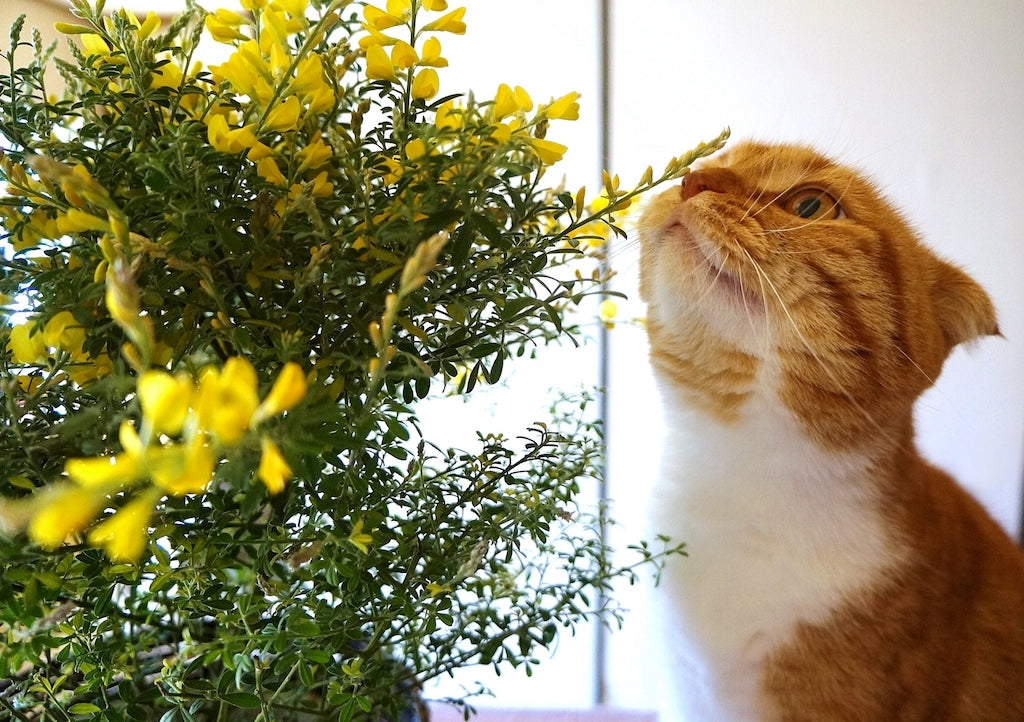
"Poisoning" refers to a physical dysfunction that occurs when an animal ingests certain foods or plants, or inhales chemicals or other substances.
Even things that are harmless to humans can be harmful to cats. Also, because cats are small, even a tiny amount can cause poisoning.
Symptoms of cat poisoning
The symptoms of poisoning vary depending on the food, plant, or chemical that caused it.
In addition to vomiting and diarrhea, neurological symptoms such as excessive drooling, unsteady gait, tremors, and seizures, as well as anemic symptoms, can be observed. In some cases, acute poisoning can lead to death.
It can also progress to kidney failure or liver failure as a sequela.
| [Related Articles] |
Foods that can poison cats

Even foods that are harmless to humans can be harmful to cats.
For example, tomato and eggplant leaves, taro stems, potato sprouts, and apple and peach seeds can cause health problems such as diarrhea and vomiting.
Cats are carnivores, so they generally only eat meat (animal protein). They don't need to eat vegetables to be healthy, so it's best not to give them indiscriminately.
It's also important to be correctly informed about foods that can cause poisoning symptoms in cats.
Onions, leeks, garlic
"Onions are bad for cats" is a well-known fact. Allyl propyl disulfide, a substance found in onions, leeks, chives, and garlic, destroys red blood cells, causing hemolytic anemia. Even the broth can cause poisoning symptoms, so caution is needed when cooking and eating.
Chocolate, caffeine
Cats cannot break down theobromine, a substance found in chocolate and cocoa. It can cause not only vomiting and diarrhea, but also arrhythmias, heart failure, and difficulty breathing. In the worst case, it can be fatal. Caffeine has similar dangers.
Raw meat, raw eggs
Raw eggs and raw meat carry the risk of Salmonella poisoning and E. coli poisoning. Also, raw pork can contain a parasite called Toxoplasma, which can be transmitted from cats to humans.
Alcohol
Alcohol cannot be broken down by a cat's liver. Even a small amount can cause difficulty breathing, coma, and a risk of organ dysfunction.
Avocado
Persin, a substance found in avocados, can cause poisoning symptoms such as seizures and difficulty breathing in non-human animals.
Grapes, raisins
Even small amounts can lead to a rapid progression of kidney dysfunction. Initial symptoms include vomiting and restlessness, followed by diarrhea, loss of appetite, abdominal pain, and decreased urination. There is a risk of death, so be careful when handling grapes and raisins.
Squid, abalone
Thiaminase, found in squid and raw bivalves, destroys vitamin B1 and can cause staggering. Also, pheophorbide, found in the viscera of abalone and turban shells, can cause solar dermatitis.
The common belief that cats "lose their footing if they eat squid" or "their ears fall off if they eat abalone" stems from poisoning symptoms.
Plants that can poison cats
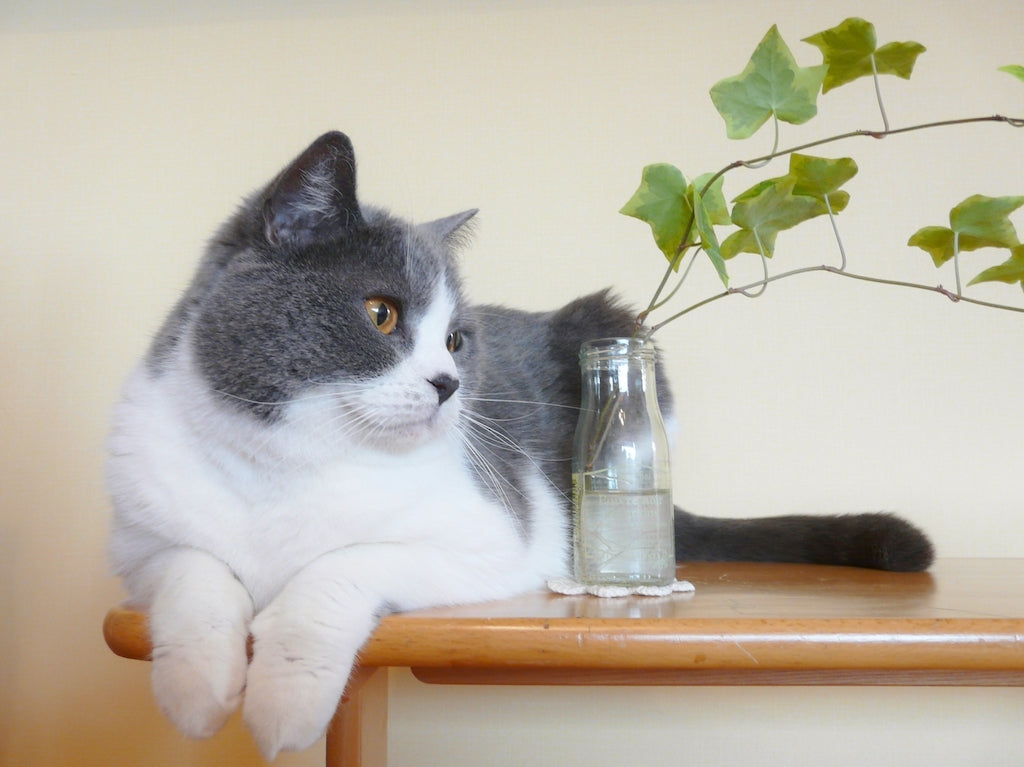
Many cat owners feed their cats cat grass to help them vomit hairballs.
While plants may seem like a familiar presence to cats, some houseplants and flowers can cause poisoning symptoms. There are over 700 types. Many plants are quite dangerous for cats.
Measures such as moving them to a separate room are necessary to prevent them from playing with and ingesting leaves or flowers.
Lilies, tulips, lily of the valley
Lily family plants are highly toxic to cats. Even stroking a cat with hands that have lily pollen on them, or a cat licking water from a lily vase, can cause poisoning symptoms. In addition to symptoms like diarrhea and vomiting, it is a dangerous plant that can cause kidney failure.
Morning glory, black nightshade, tomato
The seeds of Solanaceae plants contain toxic components that can cause diarrhea, vomiting, difficulty breathing, and staggering.
Ivy, Pothos
The leaves of Araceae plants contain a lot of calcium oxalate, which can cause inflammation in the oral cavity or digestive symptoms if ingested.
Dracaena
Famous as the "lucky bamboo," its leaves are highly toxic. In addition to vomiting and diarrhea, it can cause swelling of the limbs and paralysis, and in the worst case, there is a risk of death.
Daffodil
The bulb and stem contain toxic components that can cause symptoms such as diarrhea, vomiting, and paralysis. It can also cause heart failure, so caution is required.
Poinsettia
This plant is often seen during the Christmas season, but its leaves, stems, and sap are toxic, causing dermatitis and digestive symptoms. Similarly, Christmas roses also carry the risk of arrhythmia and heart attack, so avoid placing them in rooms where cats are present.
Cyclamen
Cyclamen is toxic throughout the entire plant, causing vomiting, diarrhea, and dermatitis. Ingesting large amounts can lead to neurological symptoms and, in some cases, death.
There's more! Dangerous things that can poison cats
Aside from food and plants, there are many other dangerous things that can cause poisoning in cats.
They may accidentally eat or drink something by mistaking it for food, so always try to keep the room where your cat is tidy.
Tobacco
Ingesting tobacco can cause nicotine poisoning symptoms. In large quantities, it can lead to tremors, seizures, and in the worst case, coma and death. Be careful of ashtray water and secondhand smoke.
Human medications/supplements
Acetaminophen, aspirin, and ibuprofen found in antipyretic analgesics can cause poisoning symptoms even with just one tablet.
Also, human cold medicine can cause severe anemia and liver damage. Similarly, human supplements can lead to excessive intake of fat-soluble vitamins. Never give human medications or supplements to cats.
Bleach
Sodium hypochlorite, found in bleach, can cause inflammation in the mouth and digestive tract if ingested. If it gets into the eyes, there is a risk of blindness.
Detergent, fabric softener
Surfactants in detergents and fabric softeners can damage the lining of the stomach and intestines, potentially leading to severe illness. Also, fragrances can cause stress or allergic reactions.
Desiccant
Desiccants such as calcium chloride and quicklime are highly toxic and can cause inflammation and ulcers in the oral cavity and digestive tract.
Coolant packs
If it contains ethylene glycol and a large amount is ingested, there is a risk of neurological symptoms and kidney damage.
Insecticides
Licking insecticides or herbicides, or absorbing them through the skin, can cause poisoning symptoms.
Aroma oils
Aroma oils are relaxing for humans. However, cats can experience poisoning symptoms by inhaling diffused aroma oils or by licking aroma oil that has gotten on their fur.
Similarly, incense can also be harmful depending on the ingredients it contains. If you have a cat, you should refrain from using aroma oils, incense sticks, and incense.
How to deal with accidental ingestion, ingestion, and poisoning in cats
Severe symptoms of poisoning in cats can appear 2 to 3 days after ingesting the toxic substance.
Treating poisoning is a race against time. If your cat ingests a toxic substance, seek veterinary care immediately. Treatment involves removing the toxic substance from the body through induced vomiting or gastric lavage, or reducing its toxicity with intravenous fluids.
Even if you're unsure if your cat has ingested a toxic substance, but you observe symptoms like vomiting, diarrhea, or neurological issues, do not wait and take them to the vet.
However, do not try to force your cat to vomit or shake them upside down. Giving them water or salt water is also dangerous.
If you're even slightly unsure, contact your regular veterinarian. For emergencies, it's reassuring to know of an emergency animal hospital that can be seen at night.
How to prevent cat poisoning
Cats cannot tell if something is dangerous to eat. Only owners can prevent accidental ingestion, eating, and poisoning accidents in cats.
The most important thing is to "not keep toxic substances in the room where your cat is." Avoid leaving food, medicines, detergents, or tobacco out.
Do not give human food
Even if your cat doesn't eat cat food, you should not give them human food. Many foods that are delicious for humans can be harmful to cats.
In particular, onions, chocolate, and medicines can cause serious poisoning symptoms. Ignore your cat's begging so they don't develop a taste for human food. If you catch them stealing food, use a loud voice or make a loud noise to stop them.
Instead, provide an appropriate amount of cat food and ensure fresh water is always available.
| [Related Articles] |
Ensure indoor-only keeping
Cats that are allowed to roam freely may eat anything outdoors. There is also a risk of falling victim to animal abusers who set out poisoned bait. To ensure your cat's safety, enforce strict indoor confinement.
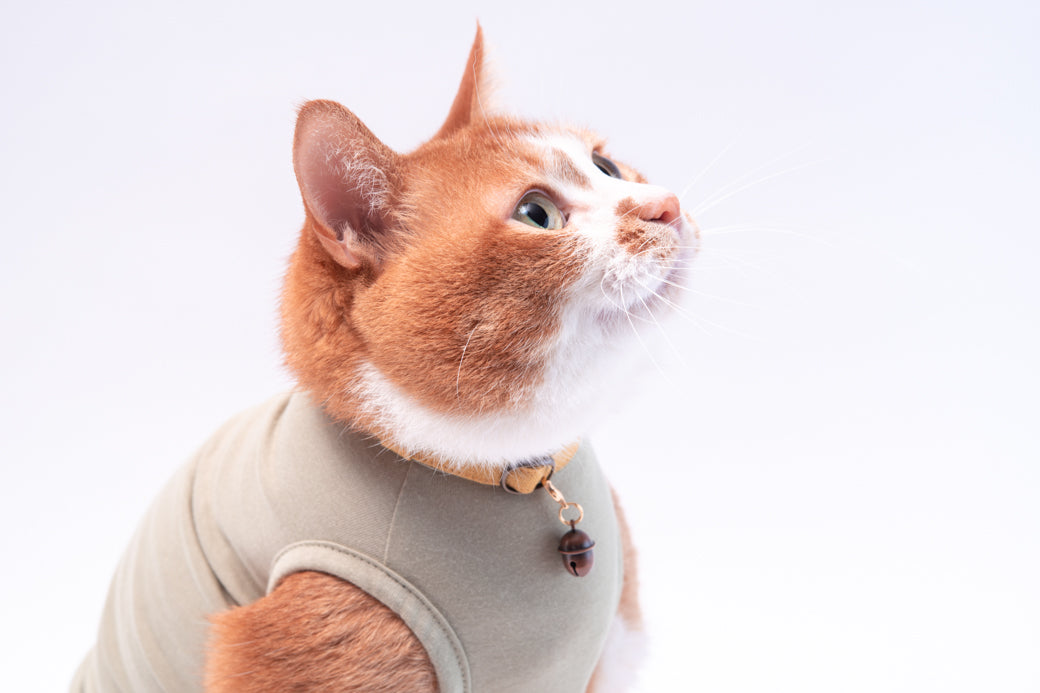
Attach a bell to your cat's collar
There have been cases where "a cat unknowingly walked over detergent while the owner was cleaning the bathroom, licked its paws, and suffered poisoning symptoms."
Cats are silent hunters. It's often hard to notice them even when they're nearby.
And, owners tend to be less vigilant during meals, cooking, and cleaning. To prevent accidental accidents, try putting a "bell" on your cat's collar. This will alert you to your cat's approach, making it easier to take measures like hiding toxic substances.
|
[Related Products] |
| [Related Articles] |
Utilize cages too
If small children spill food or your cat enters the kitchen, have them temporarily stay in a cage. Don't forget to give them treats as a reward while they're in the cage.
Summary
Even familiar things to humans can be harmful to cats. Ingesting them can cause poisoning symptoms, and sometimes even be life-threatening.
Do not keep anything containing toxic ingredients, such as food, plants, medicines, detergents, or tobacco, in rooms where cats are present.
Also, do not give human food to your cat, even if they beg. For cats that put everything in their mouths, have them stay in a cage while you are cooking, eating, or cleaning. Attaching a bell to your cat's collar is also effective so you know when your cat is nearby.
Accidental ingestion, eating, and poisoning in cats are common problems. To protect your beloved cat, please review their living environment.
|
[Related Articles] |
Author Profile




![Feline Infectious Peritonitis (FIP) Treatment Guide [2024 Edition]: Latest Information and Treatment Options](http://www.poponeko.jp/cdn/shop/articles/shutterstock_1633580878.jpg?height=400&v=1727181737)



![[Set] Leaf Ribbon & Scrunchie Cat Collar - Vidro (Aster)](http://www.poponeko.jp/cdn/shop/files/2608_00415.jpg?v=1789826564&width=600 "[Set] Leaf Ribbon & Scrunchie Cat Collar - Vidro (Aster)")
![[Set] Leaf Ribbon & Cat Collar - Gingham Check Orange](http://www.poponeko.jp/cdn/shop/files/DSC00109_9b2822dd-1b99-4744-982e-5a48c8c1f667.jpg?v=1780663891&width=600 "[Set] Leaf Ribbon & Cat Collar - Gingham Check Orange")
![[Set] Leaf Ribbon & Scrunchie Cat Collar, Arabesque Swirl, Teal](http://www.poponeko.jp/cdn/shop/files/2608_00131.jpg?v=1789044775&width=600 "[Set] Leaf Ribbon & Scrunchie Cat Collar, Arabesque Swirl, Teal")
![[Set] Leaf Ribbon Fleurage Purple & Cat Collar Belgian Linen Turquoise](http://www.poponeko.jp/cdn/shop/files/2608_00123.jpg?v=1789197487&width=600 "[Set] Leaf Ribbon Fleurage Purple & Cat Collar Belgian Linen Turquoise")
![[Set Item] Leaf Ribbon & Scrunchie Cat Collar - Vidro - Lapis Lazuli](http://www.poponeko.jp/cdn/shop/files/2608_00414.jpg?v=1789826564&width=600 "[Set Item] Leaf Ribbon & Scrunchie Cat Collar - Vidro - Lapis Lazuli")

Leave a comment