
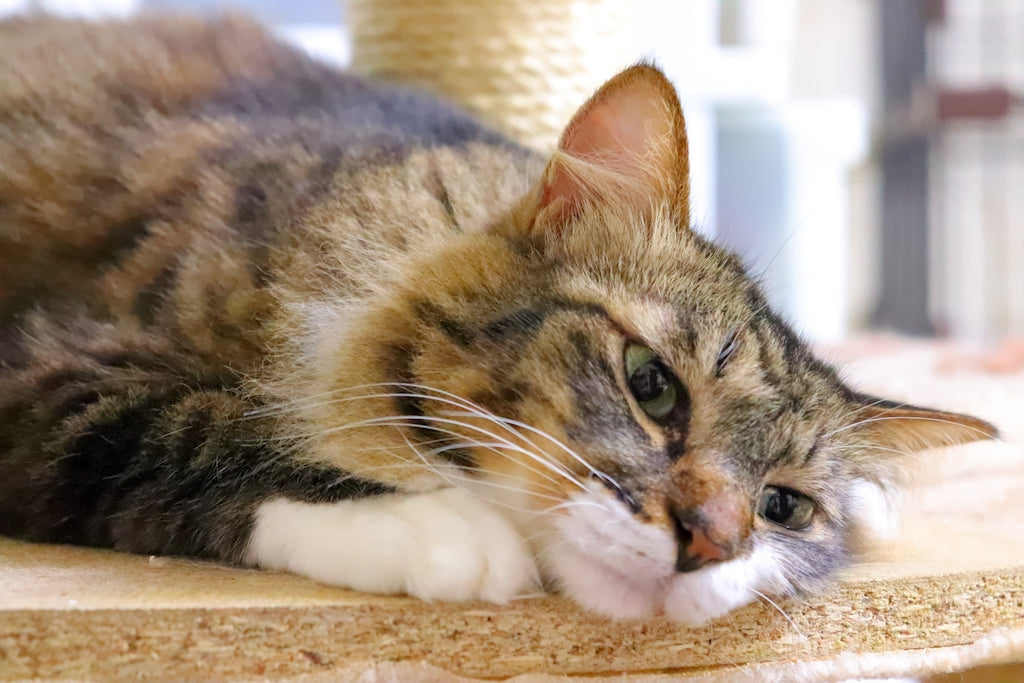
"My cat doesn't drink enough water..." This is a common concern among cat owners.
While it's often assumed that cats will drink when they're thirsty, the truth is that cats are insensitive to dehydration. They don't feel thirsty and don't have the habit of drinking large amounts of water.
Insufficient hydration not only leads to dehydration but also makes them more susceptible to illness. This article explains how to identify and address dehydration in cats, who are particularly vulnerable to dehydration.
Causes of Cat Dehydration
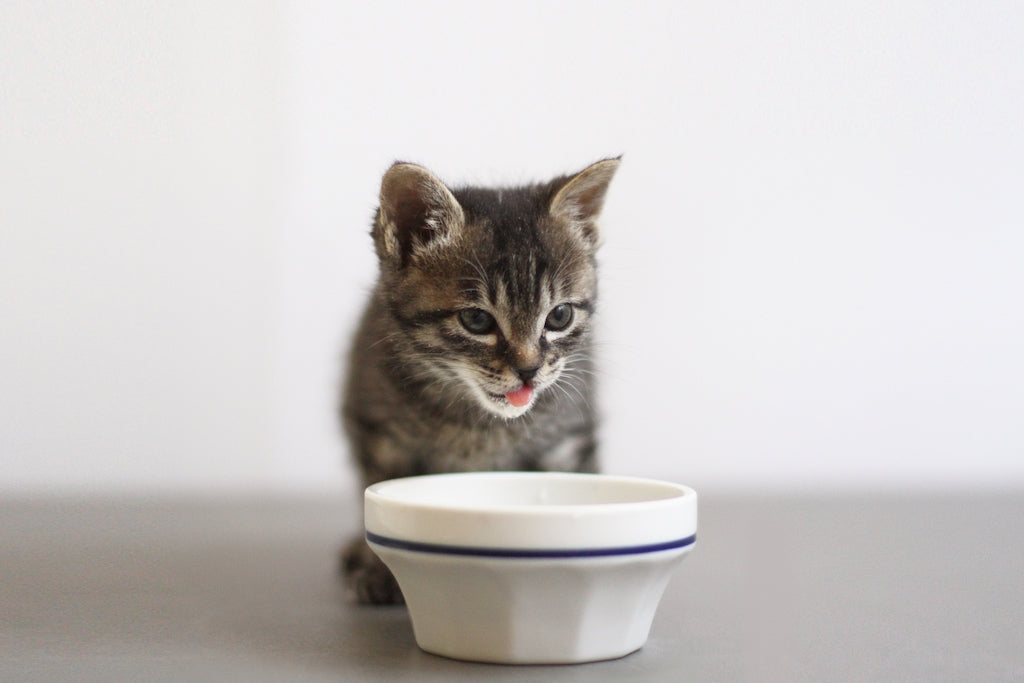
The ancestors of domestic cats lived in water-scarce deserts, where they rarely had access to water. They didn't have the habit of drinking large amounts of water; instead, they obtained moisture from their prey.
Through adaptation to such an environment, the cat's body developed a mechanism to efficiently use internal moisture. The reason cats produce strong-smelling, concentrated urine is due to this inherited trait of retaining body fluid.
Even fully indoor cats living in Japan do not have a strong habit of drinking water. They lack the sensation of thirst and are very insensitive to dehydration.
Cats are "dehydration vulnerable." Therefore, it is essential for owners to take precautions to prevent their cats from becoming dehydrated.
Dehydration can also be caused by illness
Cats are prone to dehydration due to their lack of a habit of drinking water and their insensitivity to thirst.
Additionally, heatstroke, fever, diarrhea, vomiting, infections, kidney disease, diabetes, and accidental ingestion can all cause dehydration. Always pay attention to whether your cat's water intake has decreased.
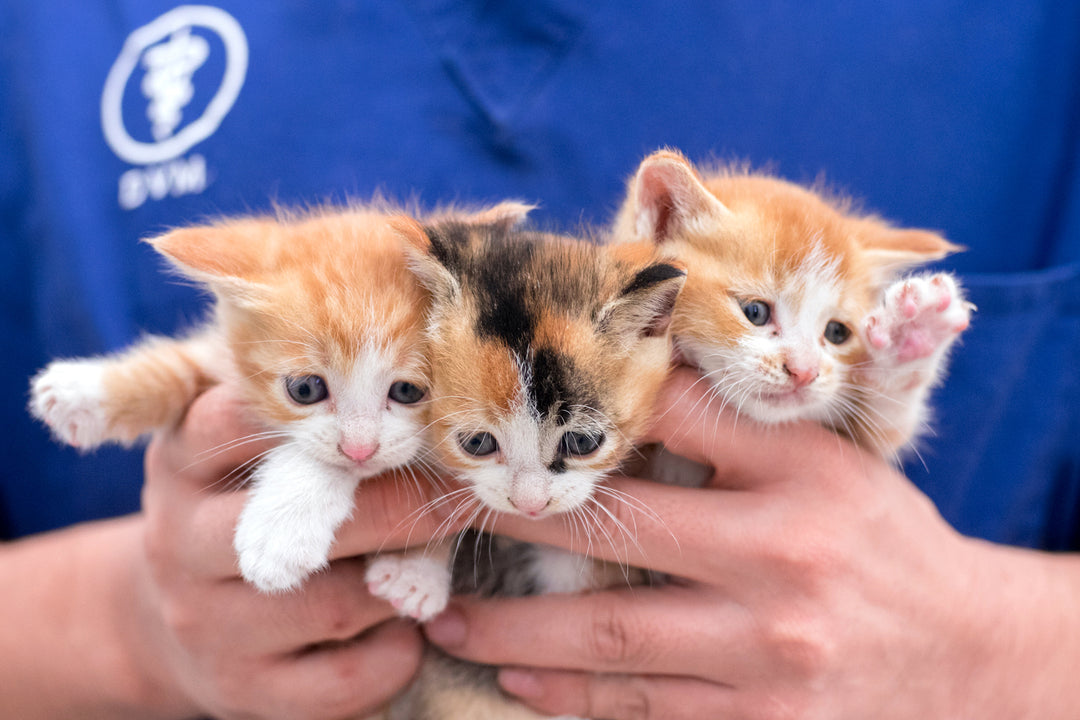
Kittens, in particular, have weak immune systems and are susceptible to viral colds. They can become dehydrated due to diarrhea or vomiting, so please pay close attention to any changes in their physical condition.
Senior cats are also often afflicted with chronic kidney disease (chronic renal failure) and are at a high risk of dehydration, so caution is necessary.
Worrisome illnesses when cats don't drink water
If a cat's water intake remains low for an extended period, it becomes more susceptible to kidney and urinary tract diseases.
Specifically, chronic kidney failure is the most common disease in cats. Because they produce concentrated, strong-smelling urine, their kidneys are easily strained. Similarly, the risk of urinary stones and cystitis is also high.
It is essential to actively encourage water intake and to have regular health check-ups.
|
【Related articles】 |
How to Identify Dehydration in Cats
Dehydration in cats can occur not only during the hot summer months but also during colder seasons.Additionally, dehydration can sometimes be caused by an underlying illness.
Always check your cat for any unusual signs to monitor its health.
Symptoms of dehydration in cats
If your cat is lethargic and you notice abnormalities such as reduced urination, it might be suffering from dehydration.
In the worst cases, it can be fatal, so it's dangerous to leave it untreated. If you observe any of the following symptoms, seek veterinary care immediately:
【Cat Dehydration Symptoms】
- Lethargy
- Decreased appetite
- Labored breathing
- Sunken eyes
- Dull coat
- Paw pads or nose are a different color than usual
- Dry gums
- Reduced frequency of urination
Signs of dehydration in cats
To check for dehydration in cats, the "skin turgor test" (or "tent test"), which examines skin elasticity, is a simple method.
Gently pinch the skin on your cat's neck or back and lift it. If it returns to its original position immediately after you release it, there's no problem. If your cat is dehydrated, the skin's elasticity will be significantly reduced, causing it to return to normal slowly.
You can also determine your cat's health by monitoring the frequency, amount, and color of its urine. For cats whose health you are concerned about, a "smart litter box" that automatically measures the frequency and amount of urine would be convenient.
Treating Dehydration in Cats
If you suspect your cat is dehydrated, try rehydrating it as a first aid measure.
However, if they resist violently or have difficulty swallowing, do not force them to drink. Take them to a vet immediately for treatment such as intravenous fluids.
Give electrolyte water/Pocari Sweat
When your cat is dehydrated, give it "electrolyte water" as first aid. Administer it slowly using a dropper or syringe.
Ideally, you should use electrolyte water specifically for cats, but in an emergency, human sports drinks like Pocari Sweat or oral rehydration solutions are acceptable. Since these contain a lot of sugar for cats, dilute them by at least half.
Giving human Pocari Sweat or oral rehydration solution is strictly for emergencies. Always consult your veterinarian to determine if even feline electrolyte water can be given routinely.
Measures to Combat Dehydration in Cats
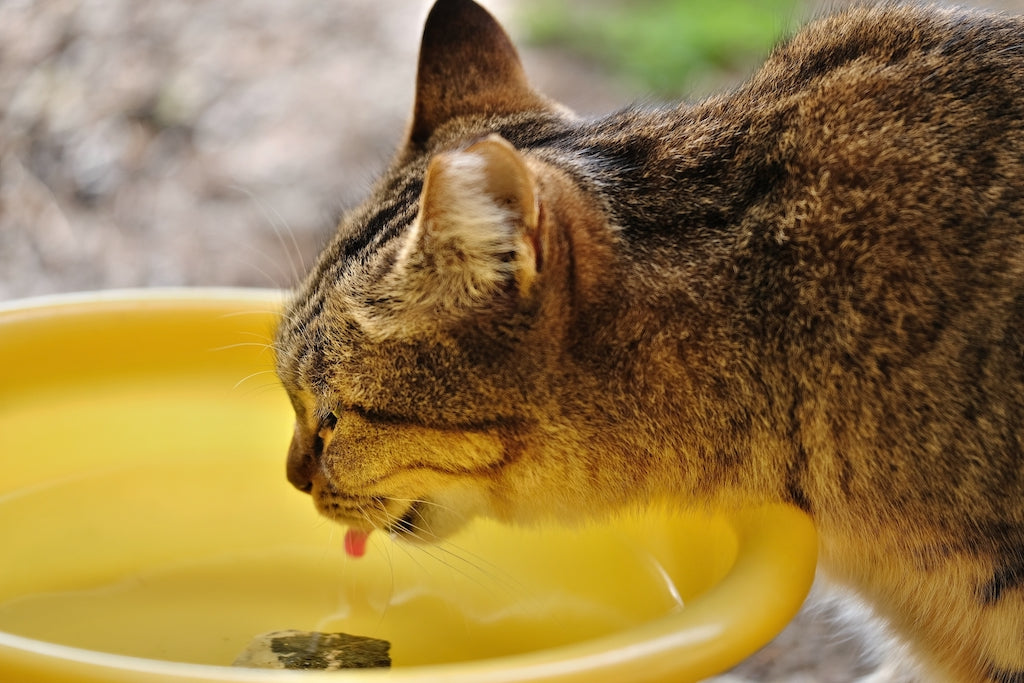
If your cat isn't drinking water, you can increase its water intake with a few simple tricks.
Preventing dehydration also helps prevent heatstroke, so keep these tips in mind.
Daily water intake for cats
According to Ministry of the Environment data, a cat weighing 3kg needs 190ml of water per day, and a cat weighing 5kg needs 280ml. This includes water obtained from food, so it is not necessary to consume all of it from drinking water.
Change the "bowl" to prevent dehydration
Sometimes cats don't drink water because they don't like the material of the bowl. Try finding out your cat's preference among plastic, aluminum, glass, or ceramic. Some cats dislike their whiskers touching the edge of the bowl, so choose one with a wide rim if possible.
Additionally, adding more watering stations in places your cat frequently passes through or its favorite spots can be effective. If you have multiple cats, provide the number of cats + 1 bowl.
Make sure the watering stations are located away from feeding areas and litter boxes.
Hydrate through "food"
There's a way to provide hydration with food. You can try topping dry food with wet food, or soaking dry food in hot water before serving. Liquid treats can also help with hydration.
Get them interested in "water"
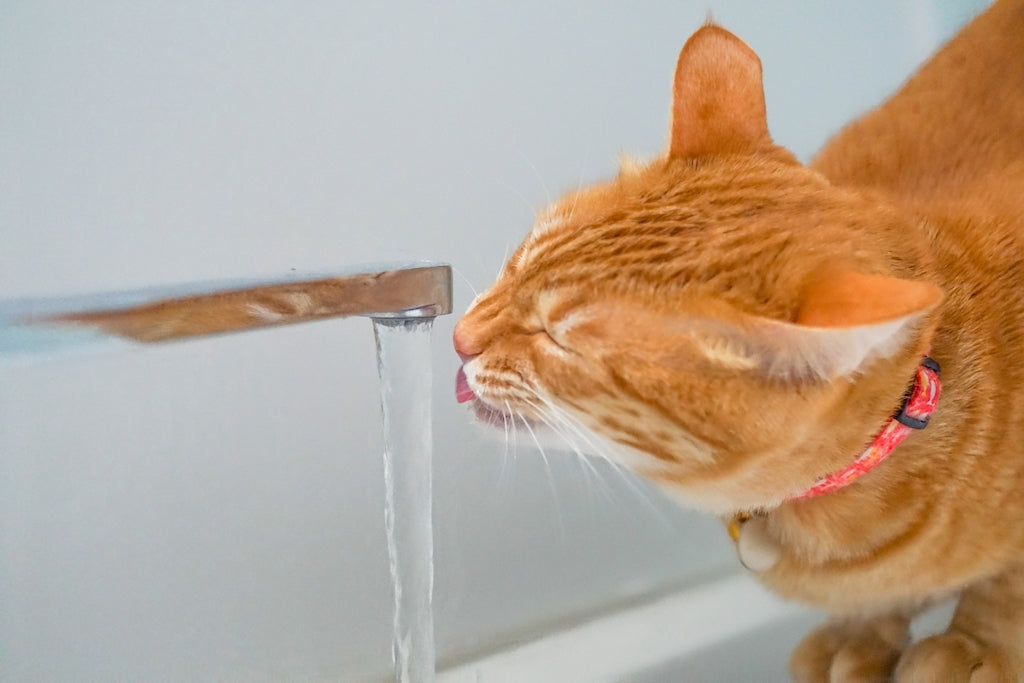
Cats dislike the smell of chlorine, so they may not drink tap water. They might drink cooled boiled water or filtered water. Trying chicken or vegetable broth is also an option.
Some cats prefer running water, so try a fountain-style water dispenser.
|
【Related articles】 |
Summary
Cats are naturally animals that don't have a habit of drinking much water. Even if their bodies are adapted to not needing much water, dehydration is still a concern.
Cats themselves are insensitive to thirst, so they may not drink water until they are already dehydrated. If a low water intake continues, they become more susceptible to kidney and urinary tract diseases, so owners must be vigilant.
If you suspect something is wrong with your cat, perform the "tent test" to check the elasticity of its skin.
If the skin is slow to return, dehydration is suspected. In an emergency, give a diluted human sports drink or oral rehydration solution in small amounts, and take your cat to the vet as soon as possible.
Getting your cat to drink water can be a challenge, but there's sure to be a method that works for your cat. Explore different preferences and find the perfect preventive measure for your beloved feline friend.

Author Profile



![Feline Infectious Peritonitis (FIP) Treatment Guide [2024 Edition]: Latest Information and Treatment Options](http://www.poponeko.jp/cdn/shop/articles/shutterstock_1633580878.jpg?height=400&v=1727181737)


![[Set Product] Leaf Ribbon & Cat Collar "Champ de Fleurs" Pink](http://www.poponeko.jp/cdn/shop/files/DSC00100_cf7eae7a-b352-4d9f-ba35-9c34a715038e.jpg?v=1780663183&width=600 "[Set Product] Leaf Ribbon & Cat Collar \"Champ de Fleurs\" Pink")
![[Set] Leaf Ribbon (Moda Agatha Road) & Cat Collar (MUJI Belgian Linen Orange)](http://www.poponeko.jp/cdn/shop/files/260618_00169.jpg?v=1784451812&width=600 "[Set] Leaf Ribbon (Moda Agatha Road) & Cat Collar (MUJI Belgian Linen Orange)")
![[Set] Leaf Ribbon & Scrunchie Cat Collar, Tartan Check, Dress Red](http://www.poponeko.jp/cdn/shop/files/2606_00008.jpg?v=1785759844&width=600 "[Set] Leaf Ribbon & Scrunchie Cat Collar, Tartan Check, Dress Red")
![[Set Item] Leaf Ribbon & Cat Collar, Petit Fleur, Mint](http://www.poponeko.jp/cdn/shop/files/2608_00406.jpg?v=1789946167&width=600 "[Set Item] Leaf Ribbon & Cat Collar, Petit Fleur, Mint")
![[Set] Leaf Ribbon moda Old Glory & Cat Collar Okayama Kojima Denim Black](http://www.poponeko.jp/cdn/shop/files/260618_00167.jpg?v=1784451812&width=600 "[Set] Leaf Ribbon moda Old Glory & Cat Collar Okayama Kojima Denim Black")
![[Set] Leaf Ribbon moda Sweet and Plenty & Cat Collar Cotton Linen Turquoise](http://www.poponeko.jp/cdn/shop/files/260618_00170.jpg?v=1784451813&width=600 "[Set] Leaf Ribbon moda Sweet and Plenty & Cat Collar Cotton Linen Turquoise")
Leave a comment