
In recent years, due to advancements in veterinary medicine and improvements in the cat breeding environment, the average lifespan of cats has reached about 15 years. However, we will eventually have to say goodbye to our beloved cats. Since many cat deaths are due to illness, knowing more about these conditions might help extend their lifespan.
This time, we will explain the ranking of cat causes of death.
Ranking of Cat Causes of Death: What are the Most Common Diseases in Japan?

Cat Causes of Death Ranking
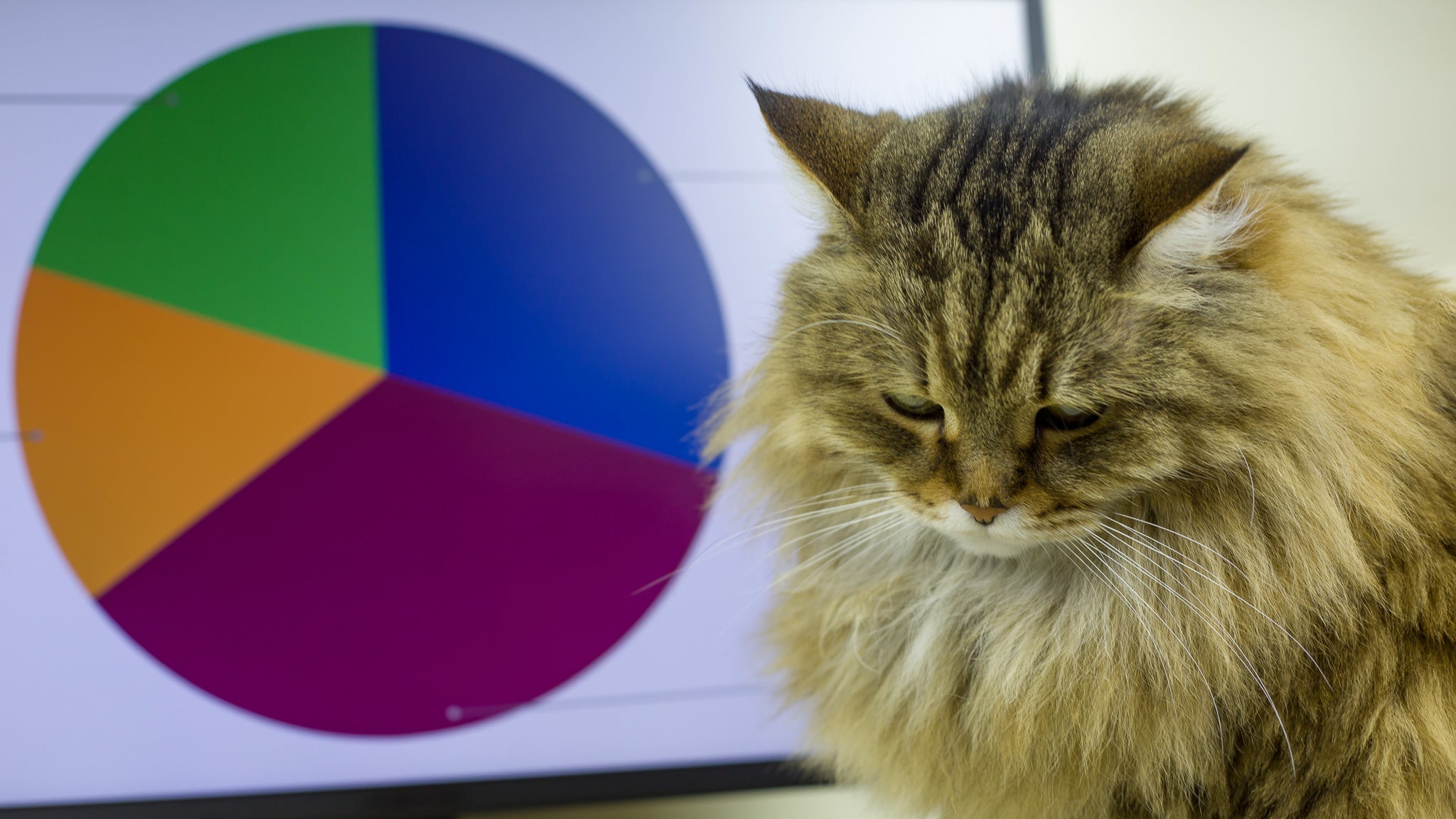
There is data from a 2020 study on cat causes of death. This research was conducted based on data extracted from 40 hospitals nationwide.
Here are the top three causes:
- Urinary system diseases (29.8%)
- Tumors (20.3%)
- Circulatory system diseases (11.6%)
Urinary system diseases are common in cats, and while specific disease names were not mentioned, it is presumed to be due to chronic kidney disease, which is prevalent in elderly cats.
|
【Source】 J. Vet. Med. Sci. 75, e128~e133(2022) |
Differences in Causes of Death by Age (Kittens, Adult Cats, Senior Cats)
Based on the age of death in the aforementioned study, here are the causes of death by age group.
For kittens and young adult cats, infectious diseases, poisoning, and external injuries are common. For adult cats, tumors, respiratory diseases, and blood/immune system diseases are prevalent. For senior cats, the top three causes are the same: urinary, tumor, and circulatory diseases.
Differences in Risks Between Indoor and Outdoor Cats
The average lifespan of cats kept strictly indoors is approximately 15 years, while that of outdoor cats is approximately 13 years, a difference of 2 years. It is believed that this difference in average lifespan is due to the risks outdoor cats face, such as traffic accidents, injuries from fights with other cats, and infectious diseases.
No. 1 Cause of Death in Cats: What is Feline Chronic Renal Failure? Symptoms and Countermeasures

Why is kidney disease common in cats?
There are various causes of chronic kidney disease in cats, including aging, genetics, changes in blood flow to the kidneys (high blood pressure, low blood pressure), poisoning, infections, and urinary stones.
Cats' ancestors lived in deserts, so they were able to live without consuming much water. Even modern cats tend to drink little water, which is thought to increase the burden on their kidneys. This is believed to lead to kidney damage in older cats. Additionally, certain cat breeds, such as Persians and American Shorthairs, can develop kidney disease at a young age due to a hereditary condition called polycystic kidney disease.
A few years ago, it was announced that a substance called AIM might be involved in cat kidney disease. AIM is supposed to promote the removal of waste products from the kidneys, and it is believed that cats have a high incidence of chronic kidney disease because this substance does not function properly in them.
Symptoms of Feline Chronic Kidney Disease
Chronic kidney disease progresses gradually, and symptoms appear when the kidneys can no longer function adequately. Therefore, symptoms are often not clearly noticed in the early stages, and by the time they appear, the disease is often quite advanced.
Symptoms of chronic kidney disease in cats include increased thirst and urination, loss of appetite, vomiting, dehydration, lethargy, bad breath, and anemia.
When kidney function declines, the kidneys cannot concentrate water needed by the body, so dilute urine is excreted in large quantities, leading to dehydration and increased water intake. Also, toxins cannot be excreted in the urine, causing loss of appetite and vomiting. Changes in the oral environment can lead to bad breath and stomatitis. Additionally, anemia occurs due to a decrease in erythropoietin, a hormone that produces red blood cells, which is made in the kidneys.
Coping Strategies to Slow Progression
Unfortunately, chronic kidney disease is an incurable illness. However, its progression can be slowed with appropriate treatment. To delay progression, dietary therapy, medication, and subcutaneous fluid therapy are employed.
There are prescription diets for kidney disease. These diets restrict phosphorus and sodium to reduce the burden on the kidneys. The appropriate food also varies depending on the stage of kidney disease.
Kidney disease can cause blood pressure to rise, creating a vicious cycle where the kidneys are further damaged. Therefore, medications to lower blood pressure are used. Also, appetite stimulants may be used to prevent a decrease in appetite. If anemia is present, erythropoietin preparations are used. In addition, there are preparations that adsorb waste products such as phosphorus and toxins, lactic acid bacteria supplements, and supplements containing antioxidants.
When a cat has kidney disease, you might imagine administering subcutaneous fluids at home. If dehydration becomes severe due to kidney disease, regular subcutaneous fluid administration may be necessary.
And, it is important to have regular health check-ups to detect it in the early stages. Chronic kidney disease increases in cats aged 7 years and older. Therefore, undergoing annual health check-ups until age 6 and twice a year from age 7 can lead to early detection.
|
【Related Article】 |
No. 2 Cause of Death in Cats: Types of Cancer (Malignant Tumors) and Prevention Measures

Common Types of Cancer in Cats
Various types of cancer occur in cats, but here are five that are particularly common.
Lymphoma
This is the most common cancer that occurs in the abdomen. Lymphocytes in the blood become cancerous. It can occur in various locations such as the skin, lymph nodes, and internal organs, but the gastrointestinal form of lymphoma, which occurs in the intestines, is particularly common.
|
【Related Article】 |
Mammary Gland Cancer
This is a cancer that develops in the mammary glands. The risk of developing this disease increases in cats that have not been spayed and experience repeated estrus cycles. Approximately 90% of mammary lumps in cats are malignant tumors, and metastasis has often already begun by the time they are discovered.
|
【Related Article】 |
Mast Cell Tumor
This is a cancer formed from mast cells in the blood. There are two types: visceral type, which occurs in internal organs, and cutaneous type, which occurs on the skin. Cutaneous mast cell tumors typically do not behave aggressively but can cause itching. In the case of visceral mast cell tumors, tumors develop in internal organs, leading to symptoms.
|
【Related Article】 |
Squamous Cell Carcinoma
This is a cancer that develops from squamous epithelial cells in the skin. It often occurs on the faces of cats. It tends to develop in areas with sparse fur and is more common in white cats.
|
【Related Article】 |
Fibrosarcoma
This is a cancer that develops from fibroblasts in the skin. It tends to occur on the limbs, abdomen, and face. Surgery is the first choice of treatment, but recurrence is common. Although a link to vaccines has been suggested, the clear cause is unknown.
|
【Related Article】 |
Health Check Methods for Early Detection
Close observation is crucial for early detection of cancer. Check for changes in food and water intake, the amount, color, and shape of urine and feces, vitality, vomiting, lumps upon palpation, weight loss, abdominal swelling, or signs of pain. If you notice any abnormalities, consult a veterinarian immediately.
Cancer is more likely to occur in senior cats aged 7 and older. It is also important to undergo health check-ups once a year until age 6, and twice a year from age 7 onwards.
|
【Related Article】 |
No. 3 Cause of Death in Cats: Causes of Feline Heart Disease and Easily Missed Signs

What is Hypertrophic Cardiomyopathy, the most common heart disease in cats?
Hypertrophic cardiomyopathy is the most common heart disease in cats. It is a condition where the heart muscle (myocardium) becomes abnormally enlarged, most commonly affecting the left ventricle. This enlargement prevents the heart from pumping blood effectively, leading to breathing difficulties due to pulmonary edema, and accumulation of fluid in the chest or abdomen. Blood clots often form within the heart, and thromboembolism, where clots obstruct blood flow, mainly in the hind legs, can cause the legs to become cold and immobile. Hypertrophic cardiomyopathy can be asymptomatic, and it is not uncommon for it to be discovered by chance.
The exact cause of feline hypertrophic cardiomyopathy is not clearly understood, but it is thought to involve genetics as it tends to be more prevalent in large cat breeds such as Maine Coons and Norwegian Forest Cats. While it can occur in young cats as early as 2 years old in these breeds, it typically affects older cats.
|
【Related Article】 |
Beware Even Without Symptoms! The Importance of Regular Check-ups
Feline hypertrophic cardiomyopathy doesn't always present with symptoms; there are reports that 15% of cats had asymptomatic cardiomyopathy. The frightening aspect of asymptomatic hypertrophic cardiomyopathy is that it can be a cause of sudden death. Therefore, it's crucial not to assume everything is fine just because there are no symptoms, but to undergo regular health check-ups and heart examinations.
Dietary Weight Management is Key
There is no known way to prevent hypertrophic cardiomyopathy. Furthermore, hypertrophic cardiomyopathy requires lifelong treatment, and sudden death during treatment is not uncommon. In addition to medication, weight control is crucial for treatment. Since obesity puts a strain on the heart, it is necessary to maintain an appropriate weight. Intense exercise puts a burden on cats with cardiomyopathy, so control their weight by adjusting their food intake.
What Owners Can Do to Reduce Cat Deaths

When to Get Regular Health Check-ups
Even healthy cats need regular check-ups. Cats are considered senior at 7 years old and older, and many diseases such as kidney disease, tumors, cardiomyopathy, and various other conditions often develop during their senior years. Therefore, it is recommended to get a health check-up once a year until age 6, and twice a year from age 7 onwards.
|
【Related Article】 |
Reviewing Diet and Exercise Habits
The relationship between obesity and various diseases has been pointed out. For example, research has shown a link between obesity and diabetes and cancer. Furthermore, obesity can increase the burden on the body and potentially worsen illnesses. Therefore, to prevent your cat from becoming obese, manage their weight through diet control. Additionally, moderate exercise can relieve stress and prevent obesity. While exercise for cats already undergoing treatment may worsen their condition depending on the illness, moderate exercise is also important for cats currently considered healthy.
Creating a Stress-Reducing Environment
High stress can lead to weakened immunity and trigger various illnesses. Potential stressors for cats include multiple cat households, living environment, and infections. In multiple cat households, the close proximity between cats can increase their stress levels. Furthermore, in such households, if there isn't enough space for litter boxes, feeding areas, and water bowls, or places to hide, it can cause severe stress.
External parasites like fleas and ticks, as well as infectious diseases, not only weaken a cat's immune system but also cause stress. Some infectious diseases can even lead to tumors, making regular prevention essential. Cats that go outdoors are especially susceptible to infections, so it is crucial to keep them strictly indoors.
Summary

The top three causes of death in cats are chronic kidney disease, cancer, and hypertrophic cardiomyopathy. While these diseases are difficult to prevent, early detection is possible through regular health check-ups. Don't wait for symptoms to appear; even without symptoms, cats should have a health check-up once a year until age 6, and twice a year from age 7 onwards.

![Feline Infectious Peritonitis (FIP) Treatment Guide [2024 Edition]: Latest Information and Treatment Options](http://www.poponeko.jp/cdn/shop/articles/shutterstock_1633580878.jpg?height=400&v=1727181737)


![[Set] Leaf Ribbon "Fleurage" Pink & Scrunchie Cat Collar "Belgian Linen" Wine Rose](http://www.poponeko.jp/cdn/shop/files/2608_00132.jpg?v=1789197487&width=600 "[Set] Leaf Ribbon \"Fleurage\" Pink & Scrunchie Cat Collar \"Belgian Linen\" Wine Rose")

![[Set] Leaf Ribbon moda Sweet and Plenty & Cat Collar Cotton Linen Turquoise](http://www.poponeko.jp/cdn/shop/files/260618_00170.jpg?v=1784451813&width=600 "[Set] Leaf Ribbon moda Sweet and Plenty & Cat Collar Cotton Linen Turquoise")
![[Set] Leaf Ribbon & Cat Collar - Hannari Sakura Blue](http://www.poponeko.jp/cdn/shop/files/2608_00126.jpg?v=1789197917&width=600 "[Set] Leaf Ribbon & Cat Collar - Hannari Sakura Blue")
![[Set Product] Leaf Ribbon & Cat Collar "Champ de Fleurs" Pink](http://www.poponeko.jp/cdn/shop/files/DSC00100_cf7eae7a-b352-4d9f-ba35-9c34a715038e.jpg?v=1780663183&width=600 "[Set Product] Leaf Ribbon & Cat Collar \"Champ de Fleurs\" Pink")
![[Set] Leaf Ribbon moda Sage Wood & Cat Collar Cotton Linen Green](http://www.poponeko.jp/cdn/shop/files/260618_00171.jpg?v=1784451813&width=600 "[Set] Leaf Ribbon moda Sage Wood & Cat Collar Cotton Linen Green")

Leave a comment